Vinylbenzyl Chloride Isomer Stability: Shelf Life & Handling
Vinylbenzyl Chloride Isomer Stability: Shelf Life & Handling
Short answer: vinylbenzyl chloride (VBC) isomers are reactive liquids, so their usable shelf life is governed by four controls rather than by one fixed expiry date — storage temperature, inhibitor level, exclusion of moisture and air, and container integrity. In the electronic-grade data reviewed here, 4-vinylbenzyl chloride (CAS 1592-20-7) is a liquid, insoluble in water, with a listed storage temperature of 2–8 °C; the mixed 3-/4- isomer grade (CAS 30030-25-2) lists −20 °C; 1-(chloromethyl)-3-vinylbenzene (CAS 39833-65-3) is documented with approximately 0.1% TBC stabilizer. Buyers who write those four controls into the purchase specification lose far less material to gelling, colour drift and assay loss.
Most VBC purchasing conversations start and end with assay and metal-ion limits, because those are the numbers printed on the certificate of analysis. Stability is usually discussed later — often after a drum has stood open for three weeks in a warm warehouse and the next resin batch shows particles or a shifted filtration time. This article covers the storage and handling questions that arise between those two points, in the order buyers tend to ask them: what actually degrades, what the product data specifies for each isomer, what to do at goods-in and in the warehouse, and what to confirm with the supplier before a repeat order.
The scope is limited to the four VBC grades referenced throughout — the 4-isomer, the 2-isomer, the 3-isomer and the mixed 3-/4- isomer — as used in negative photoresist resins, advanced packaging dielectric materials, ion-exchange membranes, ultra-pure water resins and chelating resins. Other electronic-grade products, such as 5-methyl-1H-benzotriazole or BPADA dianhydride, have different stability behaviour and different storage rules, and should not inherit the same SOP.
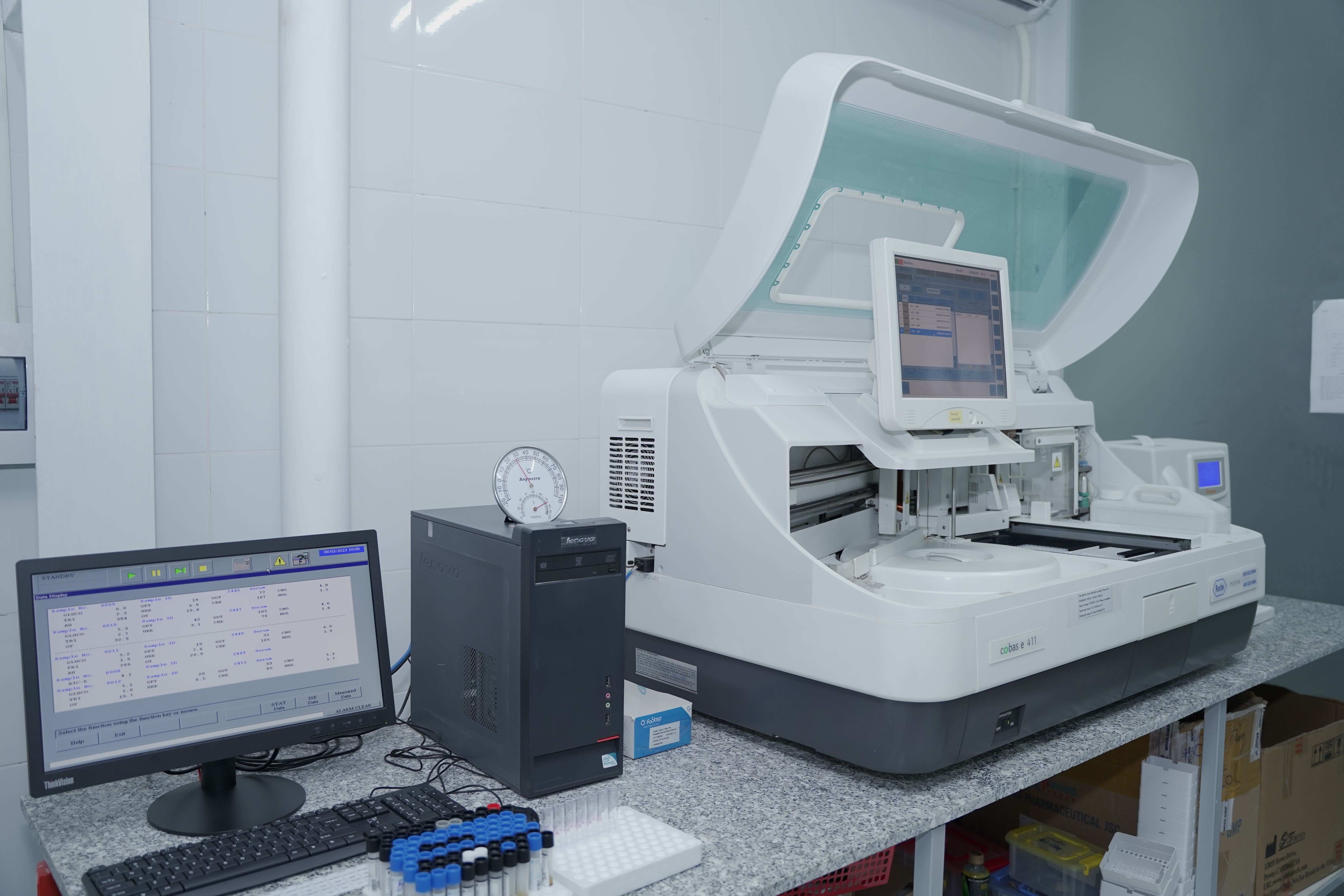
Analytical control underpins every storage claim: assay, moisture, colour and metal content are the test panel that reveals whether a vinylbenzyl chloride isomer has aged in storage. Image: Jumingchem R&D centre.
Problem Definition: What "Stability" Actually Breaks Down To
All three VBC isomers share the molecular formula C9H9Cl and a molecular weight of 152.62, and all carry two functional groups: a polymerisable vinyl group and a benzyl chloride group. The product data describes the molecule as a dual-functional monomer that can be derivatised by chloride displacement and can serve as a starter for various copolymer preparations. That dual functionality is precisely why storage needs rules — the vinyl group exists to polymerise, and it does not distinguish between the reactor and the drum.
Instability in storage is rarely dramatic. It appears as a set of measurable drifts: viscosity creeping upward; gel particles or haze in a liquid that should be clear; colour moving away from the specified "colorless to pale yellow" appearance of 4-VBC or the "light yellow to colorless" appearance of the 2- and 3-isomers; drum swelling or headspace pressure; and a lower assay when the retained sample is re-tested. Because a VBC isomer enters a formulation as a monomer rather than as a bulk solvent, these drifts stay invisible until yield, adhesion or filtration behaviour changes downstream.
Three failure routes account for nearly all of it. First, thermal and radical self-polymerisation inside the container. Second, inhibitor depletion: the inhibitor is consumed as it suppresses polymerisation, and its starting level differs by grade — approximately 0.1% TBC in the 3-isomer grade, 50–100 ppm tert-butylcatechol in the mixed grade. Third, contamination, with water and residues from shared dispensing equipment being the most common sources. Water behaviour deserves a precise statement: 4-VBC is insoluble in water, so water does not dissolve into the monomer; anything aqueous present remains a separate phase in the container and should not be left in contact with the product.
Industry Background: Why a Storage Question Is a Supply-Chain Question
The upstream context is a market where small-volume monomers support high-value processes. Grand View Research estimated the global electronic chemicals and materials market at USD 78.5 billion in 2025, with Asia Pacific accounting for 66.6% of revenue, while SEMI reported global semiconductor materials revenue of USD 73.2 billion in 2025. Electronic-grade photoresist alone was estimated at USD 4.96 billion in 2024. Published estimates differ by scope — some analysts include substrates, developers and strippers, others do not — so the honest reading is directional: monomer degradation is inexpensive to prevent and expensive to discover late.
Within that market, VBC isomers sit in the photoresist and membrane segment. The product data lists their application as a core monomer for high-performance negative photoresist resins including electron-beam photoresists, for advanced packaging dielectric materials, and for homogeneous ion-exchange membranes, ultra-pure water resins and chelating resins. In a photoresist resin synthesis the monomer is a small fraction of the formulation but a large share of the reproducibility risk, which is why storage questions belong to supplier evaluation rather than to troubleshooting.
Jiangsu Juming Chemical Technology Co., Ltd. (Jumingchem, en.jmchemchina.com) is a specialty and electronic chemicals manufacturer established in 2017 and located in Jiangyin, Wuxi City, Jiangsu, China, producing 5-methyl-1H-benzotriazole, BPADA and the vinylbenzyl chloride isomer series with an annual output of 60,000 tons. The company operates a 78,000 m² factory area with a 3,000 m² R&D centre, a 300 m² pilot plant and a 600 m² GMP workshop, employs 180 people including 25 engineers, and exports about 70% of output to the USA, Korea, Japan, Taiwan region, Germany, Southeast Asia and the Middle East. Production relies on microchannel and continuous-flow technology with ppb-level purification, supported by ICP-MS, HPLC and GC testing. The site holds ISO 9001 certification (certificate NOA2505548, valid 25 July 2025 to 24 July 2028), an SGS factory audit (QIP-ASI254749) and a Hazardous Chemicals Operation License (Su(Xi)WHJJZ(Lingang)02864, valid 26 June 2024 to 25 June 2027).
Detailed Solution: Controls That Preserve VBC Isomers in Storage
1. Set storage temperature by grade, not by product family
The most common assumption is that "VBC" has one storage temperature. The product data does not support that. The 4-isomer grade lists 2–8 °C; the mixed 3-/4- isomer grade lists −20 °C. The difference is not a typographical detail and should not be averaged: the mixed grade is a blend of isomers with a melting point of −30 °C and is specified colder. Where a warehouse receives both, the store location and the cold-chain instruction should be assigned per CAS number — 1592-20-7 versus 30030-25-2 — and the instruction printed on the drum label should override any internal template.
The practical consequence is a capability question rather than a chemistry question: a site that can hold 2–8 °C does not automatically satisfy the mixed grade. Confirm the cold room reaches −20 °C and holds it, or agree a grade that fits the site, before signing a supply agreement.
2. Treat the inhibitor as an inventory variable, not a one-off additive
Stabilisation is documented differently per grade. 1-(chloromethyl)-3-vinylbenzene is listed as "3-(Chloromethyl)styrene (~0.1% TBC stabilizer)"; the mixed grade is listed as containing 50–100 ppm tert-butylcatechol as inhibitor; the 4-isomer appears in product naming as a stabilised grade ("4-VINYLBENZYL CHLORIDE, STAB.", "4-(Chloromethyl)styrene, 90%, stabilized"), but the data reviewed here does not state the inhibitor type or level for that grade. That gap is a documentation task, not a chemistry one: request the inhibitor identity and level on the COA or TDS before building a storage SOP around an assumed figure.
Because the inhibitor is consumed over time and during repeated opening of the container, stock rotation matters more than the nominal starting value. First-in-first-out, batch-level segregation, and a re-test before use of any long-stored drum are more effective than topping up stabiliser on site — which should not be attempted without the manufacturer's written instruction.
3. Keep the container sealed and the headspace dry
Two things enter an open drum: air and moisture. Water insolubility helps in one direction — water does not dissolve into the monomer — but it also means water sits as a separate phase that can be carried into the reactor. Keep containers closed between dispensing, use dry dedicated equipment, and avoid returning unused material to the master drum.
The inert-gas logic applied to the polymerisation step is a useful template for storage. The product data recommends conducting the polymerisation under inert gas protection in anhydrous polar solvents such as NMP or DMAc; the same reasoning — oxygen and water degrade a clean vinyl polymerisation — supports blanketing the drum headspace with dry inert gas during dispensing and after partial use. Where a site cannot blanket, minimise headspace time and complete each withdrawal in a single transfer.
4. Match packaging and transport to the climate of the destination
Packaging for the liquid VBC series is 25 kg HDPE drums, 200 kg steel-plastic composite drums and 1000 L IBCs, with UN-certified dangerous goods packaging available on request and temperature-controlled packaging for long-distance shipping to hot climates. Temperature-controlled logistics is part of the supply arrangement, together with complete export documentation. For buyers in tropical or Middle Eastern markets, the transport question is the stability question: a 2–8 °C product that spends two weeks in an ambient container has been re-specified by the journey rather than by the supplier's warehouse.
5. Make stability auditable through documentation
A stability claim is only as good as the paperwork attached to the batch. Standard documentation includes a COA per batch, MSDS in English or Spanish, and a third-party test report from SGS, BV or Intertek where requested; custom test items and COA formats are available, which is the practical route to placing assay, moisture, appearance, colour, acid value and metal content on the same sheet the warehouse actually reads. Batch traceability coding allows a specific drum to be tied back to production and test records if a downstream batch underperforms.
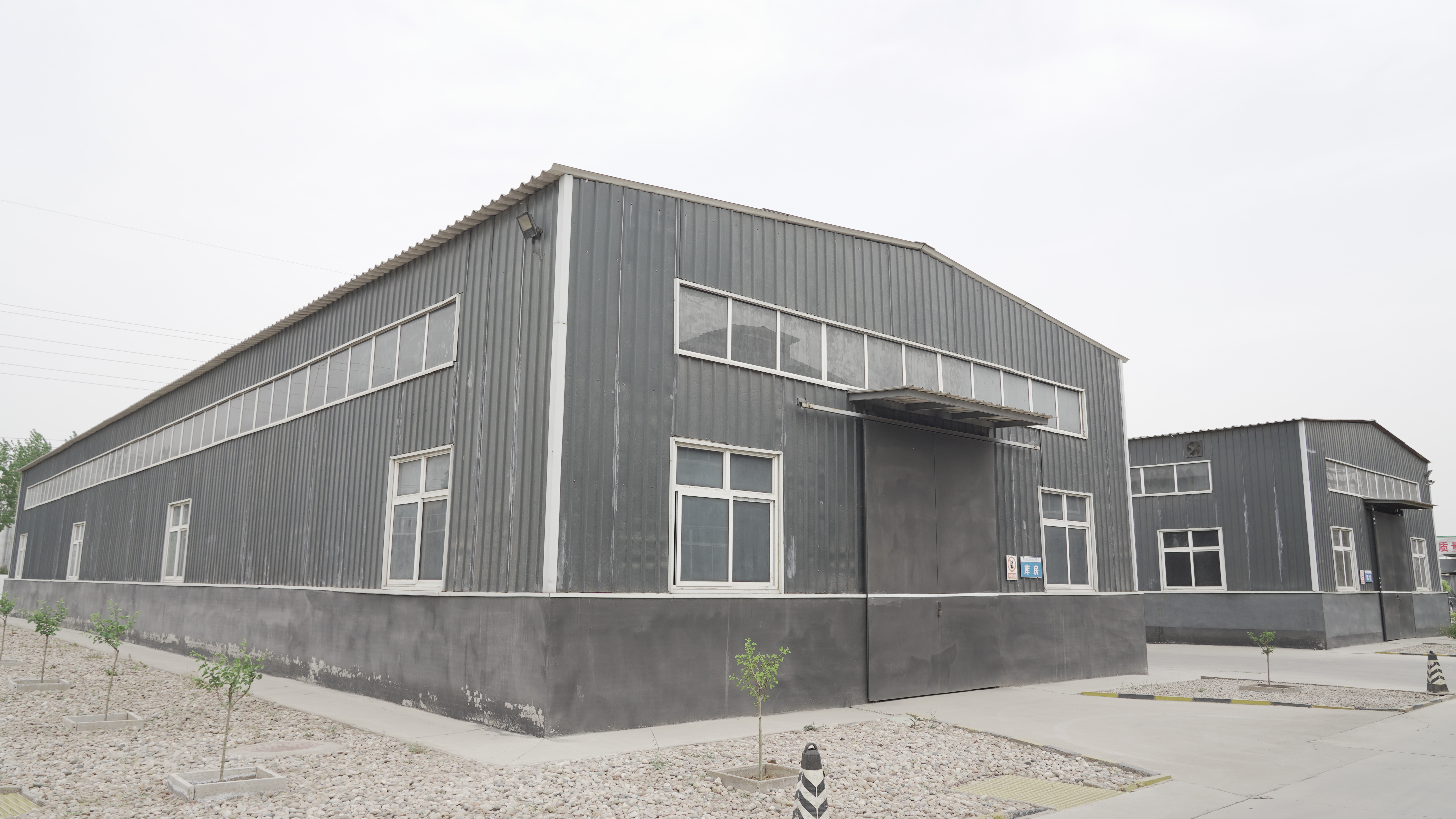
Production site of Jiangsu Juming Chemical Technology Co., Ltd. in Jiangsu, China. Filling and packaging decisions determine how much of the storage burden shifts to the buyer's warehouse.
Step-by-Step Breakdown: From Goods-In to Dispensing
- Verify the grade against the label before opening. Confirm the CAS number — 1592-20-7, 22570-84-9, 39833-65-3 or 30030-25-2 — matches the purchase order, and that the storage instruction on the label is one your warehouse can actually meet.
- Inspect the container and headspace on arrival. Look for swelling, leakage, or a liquid that is no longer clear or no longer inside its stated colour range. Record the observation against the batch number printed on the COA.
- Store at the grade-specific temperature. 2–8 °C for the 4-isomer grade; −20 °C for the mixed grade. Do not average the two requirements into a single setpoint.
- Keep the drum closed, upright and in its original labelled container. Do not decant into unlabelled vessels and do not return residues to the master drum.
- Dispense with dry, dedicated equipment in a single transfer. Avoid repeated open-close cycles for small withdrawals; plan batch sizes to match drum size rather than opening a 200 kg drum for a 2 kg addition.
- Blanket with dry inert gas where the process allows, consistent with the inert-gas protection used in the polymerisation step in anhydrous polar solvents such as NMP or DMAc.
- Rotate stock and re-test before use after extended storage. Use the COA test panel — purity by GC/HPLC, moisture, appearance, colour, acid value and metal content for electronic grade — as the re-test protocol.
- Requalify the material, not the supplier's reputation, when a drum's history is uncertain: if appearance or viscosity has shifted, quarantine the drum rather than blending it into a production batch.
On shelf life specifically: this article deliberately does not quote a single expiry period, because the number is batch- and grade-dependent and is set by the manufacturer against the batch record. The correct procurement action is to request the shelf-life or re-test statement together with the COA for the specific batch and grade, and to record the storage temperature the material has actually experienced. A generic "12 months" taken from a forum or a competitor's brochure is not a substitute for the batch document.
Use Cases: Where Storage Behaviour Surfaces in the Process
Negative photoresist resins, including electron-beam photoresists
The most demanding application is negative photoresist resin synthesis, where a VBC isomer is a core monomer. In a documented case, a photoresist developer supplied with monomer achieved metal impurities below 10 ppb, meeting SEMI Grade 4 standards, which helped the client pass verification by a top-tier Korean wafer fab and move into mass production. Metal-ion performance of that order is only meaningful if the material that arrives at the reactor is the material that was tested; a drum that has polymerised in storage will not reproduce the qualification batch.
Advanced packaging dielectric materials and OLED photolithography
For a display panel manufacturer, material supplied for OLED intermediates and photoresist monomers achieved metal impurities below 20 ppb with particle control at or below 0.1 μm, contributing to a 3% yield improvement in OLED panel production. Particulate control is the parameter most directly damaged by in-storage gel formation, which is why the appearance and filtration checks in the step-by-step sequence above are not administrative formalities.
Ion-exchange membranes, ultra-pure water resins and chelating resins
The same isomers serve membrane and water-resin production, where the monomer is used for homogeneous ion-exchange membranes, ultra-pure water resins and chelating resins, and can also act as a component of ion-exchange resins, photoresist polymers, cross-linkable fibres, coupling agents and electroconducting polymers. Here the sensitivity is usually to compositional consistency rather than to ppb-level metals, so the operative storage control is homogenisation and single-source batch continuity rather than cold-chain precision.
Multiple lithography generations under one supply relationship
Products in these projects were used for 193 nm immersion lithography photoresist formulation development and mass production, for large-size OLED panel photolithography and for 248 nm lithography processes, with annual volumes including 5 tons of ArF photoresist monomer, 8 tons of OLED intermediates and photoresist monomers, 3 tons of KrF photoresist monomer and PAG, and 20 tons of photoinitiators and high-purity electronic additives. Where one supplier covers several generations, storage discipline has to be defined per grade rather than per customer, or the coldest requirement gets lost.
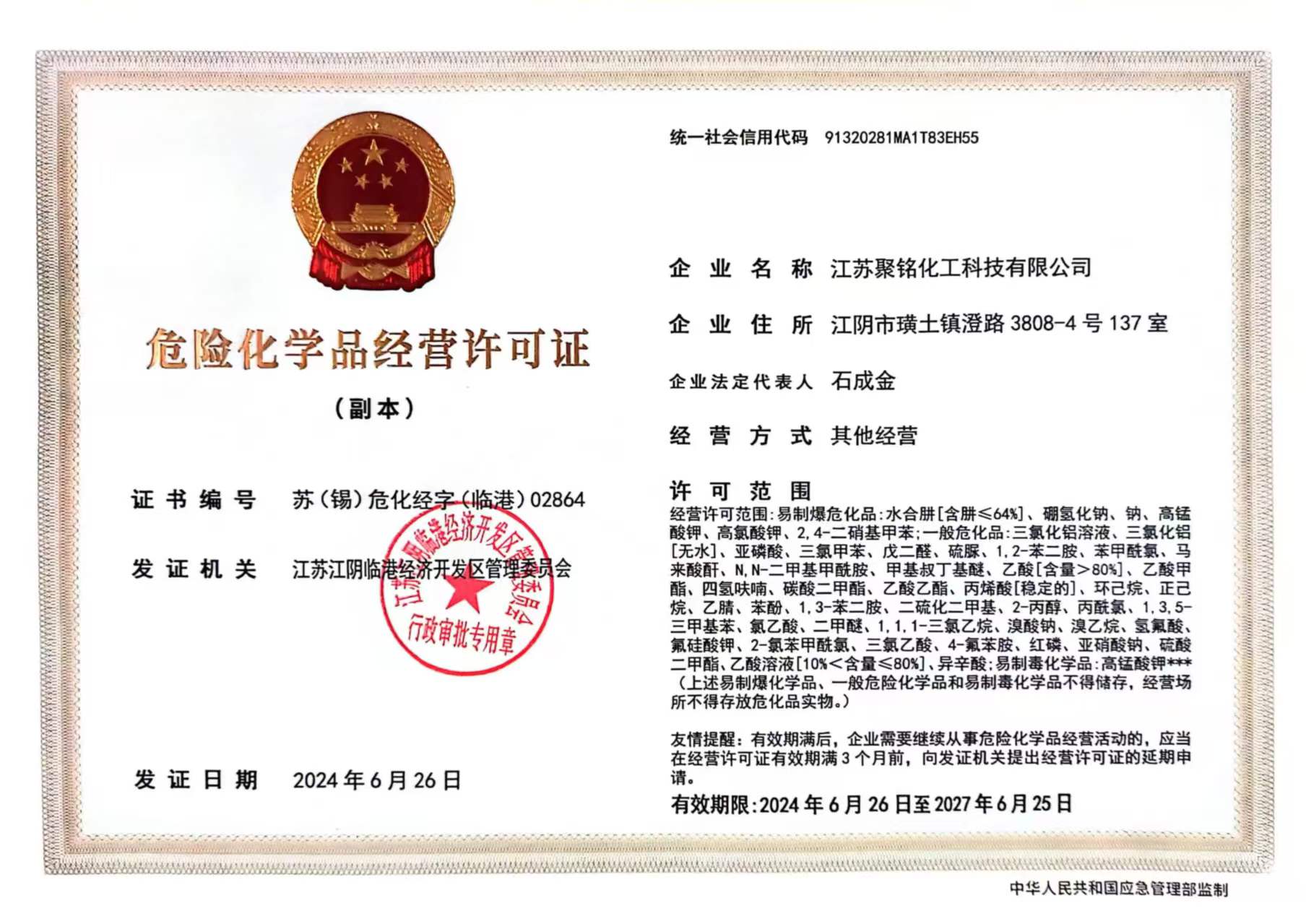
Hazardous Chemicals Operation License Su(Xi)WHJJZ(Lingang)02864, valid 26 June 2024 to 25 June 2027, issued by the Jiangsu Jiangyin Lingang Economic Development Zone Management Committee.
Comparison Table: Documented Parameters of Four VBC Grades
| Parameter | 4-VBC (CAS 1592-20-7) | 2-VBC (CAS 22570-84-9) | 3-VBC (CAS 39833-65-3) | Mixed VBC (CAS 30030-25-2) |
|---|---|---|---|---|
| Molecular formula / weight | C9H9Cl / 152.62 | C9H9Cl / 152.62 | C9H9Cl / 152.62 | C9H9Cl / 152.62 |
| Physical form | Liquid | Liquid | Liquid | Liquid |
| Appearance | Colorless to pale yellow transparent liquid | Light yellow to colorless liquid | Light yellow to colorless liquid | Light yellow to colorless liquid |
| Water solubility | Insoluble in water | — | — | — |
| Storage temperature (product data) | 2–8 °C | — | — | −20 °C |
| Inhibitor note | Stabilised grade named; type and level not stated in the data reviewed | — | ~0.1% TBC stabilizer | 50–100 ppm tert-butylcatechol |
| Density | 1.083 g/mL at 25 °C | 1.066 ± 0.06 g/cm³ (predicted) | — | 1.074 g/mL at 25 °C |
| Boiling point | 229 °C | 223.4 ± 9.0 °C (predicted) | — | 229 °C |
| Melting point | — | — | — | −30 °C |
| Refractive index | n20/D 1.572 | — | — | n20/D 1.572 |
| Flash point | 221 °F | — | — | 221 °F |
| Vapour pressure | 1 mm Hg (56.1 °C) | — | — | 1 mm Hg (56.1 °C) |
A dash means the parameter is not stated in the product data used for this article; it does not mean the property is absent. Request the current COA and TDS for the specific grade and batch before writing a specification.
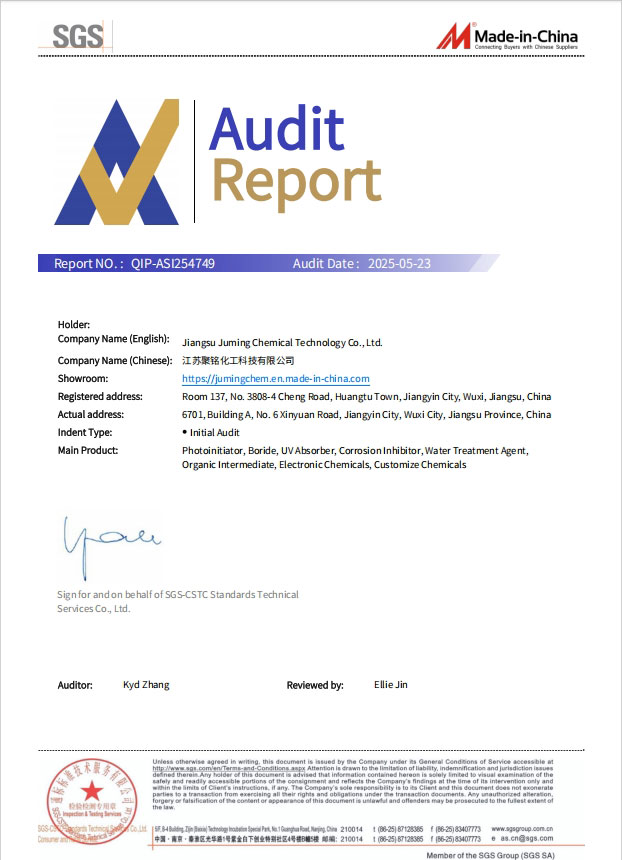
SGS factory audit report QIP-ASI254749, covering photoinitiators, UV absorbers, corrosion inhibitors, water treatment agents, organic intermediates and electronic chemicals.
FAQ
1. Which documents should accompany a VBC shipment, and what do they tell me about stability?
Each batch is issued with a Certificate of Analysis covering the agreed test panel — purity by GC or HPLC, moisture, appearance, colour, acid value and, for electronic grade, metal content — plus a Safety Data Sheet in English or Spanish. A third-party report from SGS, BV or Intertek can be requested, and COA test items and format can be customised so that assay and inhibitor information appear on the same document. Company-level compliance is covered by ISO 9001 certificate NOA2505548 (valid 25 July 2025 to 24 July 2028) and SGS audit QIP-ASI254749, with the Hazardous Chemicals Operation License Su(Xi)WHJJZ(Lingang)02864 valid to 25 June 2027. For one European fine chemical trader, products supplied under a four-year cooperation with a 100% repurchase rate passed REACH compliance certification.
2. Is Jumingchem a custom electronic-grade chemicals OEM manufacturer, and can it supply custom VBC isomer ratios?
Yes. The manufacturer provides customised OEM/ODM and full-chain CDMO services covering process research and development, pilot scale-up and commercial production, with a minimum order quantity of 1 kg, a monthly capacity of 5,000 tons, 100% testing and a lead time of 7–30 days. For the VBC series, standard grades include pure para-isomer (≥99% p-VBC), pure ortho-isomer (≥98% o-VBC), pure meta-isomer (≥98% m-VBC) and any custom mixture ratio of o/m/p isomers, with purity grade options from industrial through high-purity to electronic grade at ppb-level metal ions. Microchannel and continuous-flow technology supports ppb-level purification, and OEM customisation is typically delivered within six weeks after process confirmation.
3. What drives the cost of a stabilised VBC order?
Four variables dominate: isomer grade and purity (pure para at ≥99% and custom mixed ratios carry different process costs), packaging format (25 kg HDPE drum, 200 kg steel-plastic composite drum, 1000 L IBC, UN-certified dangerous goods packaging and temperature-controlled packaging for hot-climate shipping), documentation scope (third-party testing, custom COA format, multilingual MSDS), and logistics route — sea freight from Shanghai or Ningbo takes 15–35 days, air freight 5–7 working days and express 3–5 working days. Payment terms are T/T, D/P, Western Union or PayPal. As a reference point on total cost rather than unit price, one chip foundry project replaced imported suppliers and reduced cost by approximately 25%, shortening delivery lead time from 8 weeks to 4 weeks.
4. Can I validate a sample before committing to drum quantities?
Sampling is standard practice and the minimum order quantity is 1 kg. Pre-shipment sample confirmation is available for new clients, and for a photoresist developer the first validation sample was delivered within two weeks. Express delivery by DHL, FedEx or UPS takes 3–5 working days for samples and small batches, and clients may also request pre-shipment inspection or third-party SGS or BV inspection before mass production. Because stability is grade-specific, ask for the sample to be shipped with the batch COA and the storage instruction for that CAS number.
5. What is the lead time, and how is the product kept stable in transit?
Production lead time is 7–30 days. Sea freight from Shanghai or Ningbo takes 15–35 days depending on destination and offers a temperature-controlled container option for VBC; air freight takes 5–7 working days for urgent small orders of high-value material; express takes 3–5 working days door to door. Temperature-controlled logistics and complete export documentation are used to keep product stable during cross-border transport, and a 72-hour emergency order response mechanism supports supply continuity. To plan a first order against your own warehouse temperature and dispensing frequency, send the grade, CAS number and annual volume to sales@jumingchem.com or +86 159 6162 4309 and request a quotation with the batch documentation package.
Conclusion: Stability Is a Specification, Not a Promise
Vinylbenzyl chloride isomers are stable in the way that any inhibited vinyl monomer is stable — conditionally. The conditions are documented and grade-specific: 2–8 °C for the 4-isomer grade, −20 °C for the mixed 3-/4- grade, an inhibitor system that must be confirmed per grade rather than assumed, water kept out of the container even though the monomer itself is insoluble in water, and packaging and transport that reflect the destination climate. Get those four right, and the shelf-life conversation becomes a document request instead of a quality investigation.
The buying sequence that follows from this is short. Specify the CAS number and isomer purity, state the storage temperature your site can hold, request the inhibitor identity and level on the COA, and confirm the batch shelf-life statement with the first shipment. That is the same evidence base used by the photoresist developers, display panel manufacturers and foundries already supplied under these grades, and it is available before the first drum is opened.
Next step: validate the grade, then the storage route
Request a 1 kg sample of 4-vinylbenzyl chloride (CAS 1592-20-7), 1-(chloromethyl)-2-vinylbenzene (CAS 22570-84-9), 1-(chloromethyl)-3-vinylbenzene (CAS 39833-65-3) or the mixed grade (CAS 30030-25-2), shipped with the batch COA, MSDS and the storage instruction for that specific grade.
Email: sales@jumingchem.com | Phone / WhatsApp: +86 159 6162 4309 | Website: en.jmchemchina.com
Product catalogue (PDF): Jiangsu Juming Chemical Technology catalogue
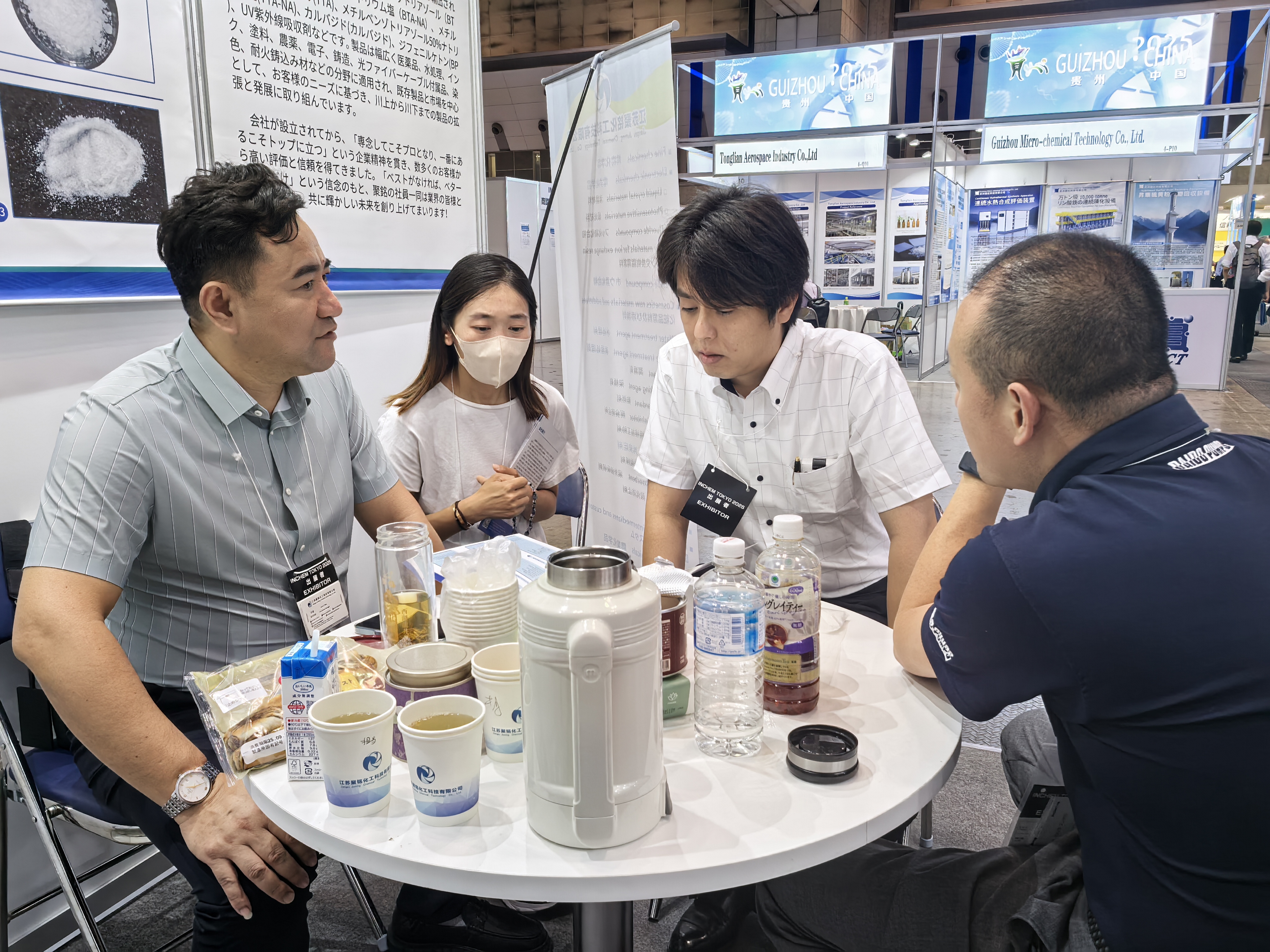
Buyer discussions at industry exhibitions typically start with assay and end with storage conditions — the two are the same qualification question.
Have Questions or Need More Details?
Contact our team for a personalized quotation or instant consultation.
Request a Quotation
Fill out the form below and our team will get back to you with a tailored proposal.
WhatsApp Direct Chat
Prefer to chat in real-time? Message us on WhatsApp for instant assistance & quick answers.
- Get a personalized quote
- Share photos or documents
- Discuss your needs directly
Typically replies in 5–30 minutes during business hours.