Vinylbenzyl Chloride Isomer Supplier Evaluation: Capability and Delivery Assurance

Supplier evaluation for electronic-grade vinylbenzyl chloride (VBC) isomers comes down to two questions that must be answered separately. First: can the supplier produce and release each isomer as a distinct, documented grade? Second: can it deliver that grade to your dock with the same identity, purity and stabilization it was released with? Price, catalog breadth and relationship history are secondary to those two.
Four commercial references matter in most procurement packages: 4-vinylbenzyl chloride (CAS 1592-20-7); 2-vinylbenzyl chloride, also written 1-(chloromethyl)-2-vinylbenzene (CAS 22570-84-9); 3-(chloromethyl)styrene, also written 1-(chloromethyl)-3-vinylbenzene (CAS 39833-65-3); and the mixed isomer stream under CAS 30030-25-2, which carries EINECS 250-005-9. All four share the molecular formula C9H9Cl and a molecular weight of 152.62, which is exactly why identity cannot be verified from a formula line in a quotation.
This guide is written for procurement and quality teams that already hold a shortlist and are now doing verification work. It sets out the capability checks and delivery controls to require before the first purchase order, and it shows how those checks look when they are answered with documentation, using Jiangsu Juming Chemical Technology Co., Ltd. (Jumingchem), an electronic-grade chemicals producer based in Jiangsu Province, China, as the reference example.
Why VBC isomer sourcing fails more often than buyers expect
Most failures in this product family do not originate in the reactor. They originate in the gap between what the buyer specified and what the supplier released, shipped or documented. Five failure points recur.
- Isomer identity drift. Because the four references are named with closely related terms - 2-vinylbenzyl chloride, 1-(chloromethyl)-2-vinylbenzene, 3-(chloromethyl)styrene - a supplier that runs only one isomer line may offer a substitution that looks equivalent on a quotation. The substitution pattern governs the polymer backbone in a photoresist or polyimide program, so a substitution has to be rejected at technical review, not discovered at incoming inspection.
- Stabilization and self-polymerization. Vinylbenzyl chloride is a liquid and is highly prone to self-polymerization, so it is supplied stabilized. For the 3-isomer grade (CAS 39833-65-3), stabilizer content is commonly declared against a target of approximately 0.1% TBC (4-tert-butylcatechol). The exact figure matters less than whether it appears consistently in the specification, in the batch COA and on the drum label.
- Cold-chain and shelf-life lapse. VBC products require cold-chain transport and low-temperature storage, typically at 2-8 °C or lower, and the product data sheet recommends a storage set point of -20 °C. Shelf life is 12 months from the production date under proper storage; material held beyond that window is expected to degrade and change color.
- Packaging and transport integrity. These are liquids shipped in drums, and drum damage in transit is a recognized leakage risk. Standard export packaging uses double-layer protection - an inner PE liner inside an outer drum - with leak-proof sealing that is pressure tested before shipment.
- Documentation and import gaps. A lot number that cannot be tied back to a retained sample is a documentation failure rather than a paperwork inconvenience. HS code pre-verification and REACH compliance documentation for European deliveries belong to the same control set as the COA.
The practical consequence: a vinylbenzyl chloride isomer purchase should be evaluated as a controlled release plus a controlled delivery, not as a commodity quote.
Industry background: where VBC isomers sit in the electronic chemicals chain
The demand context explains why the verification standard has tightened. Grand View Research estimated the global electronic chemicals and materials market at USD 78.5 billion in 2025, and SEMI reported semiconductor materials revenue of USD 73.2 billion in 2025. Within that total, the electronic-grade photoresist segment alone was estimated at USD 4.96 billion in 2024. Asia Pacific accounted for 66.6% of electronic materials and chemicals revenue in 2025, which is why most qualification and audit activity for these monomers runs through Asian production sites.
Reported market sizes differ by scope, and buyers should treat that divergence as information rather than noise. Fortune Business Insights placed the electronic chemicals and materials market at USD 75.6 billion for 2025 against the USD 78.5 billion estimate from Grand View Research, while SEMI reported USD 67.5 billion of semiconductor materials revenue in 2024 before the USD 73.2 billion figure in 2025. The direction of travel is consistent even where the absolute numbers are not, and the same caution applies to supplier claims: a scope statement is more useful than a headline number.
Vinylbenzyl chloride sits upstream of several of those segments. It functions as a core monomer in the synthesis of negative photoresist resins for electron beam lithography, and as a key synthetic monomer for high-performance polyimide (PI) and 5G high-frequency high-speed flexible copper-clad laminate (FCCL). It is also used in high-purity resin synthesis and as a semiconductor manufacturing intermediate. Because the monomer is consumed at the start of a resin batch, any lot-level deviation propagates through the entire downstream production run, which is why supplier evaluation in this category is a risk-control exercise rather than a purchasing formality.
A six-point supplier evaluation framework for VBC isomers
The framework below is ordered so that each point can be answered with a document, a number or a dated record. Points that can only be answered with adjectives should be treated as unresolved.
1. Isomer-specific production capability
Request the manufacturing range, not the catalog. A supplier should be able to state which CAS numbers it produces, at what scale, and whether the isomer supplied is the isomer produced rather than a re-labeled mixed stream. Jumingchem lists four vinylbenzyl chloride references in its range - 4-vinylbenzyl chloride (CAS 1592-20-7), 1-(chloromethyl)-2-vinylbenzene (CAS 22570-84-9), 1-(chloromethyl)-3-vinylbenzene (CAS 39833-65-3) and mixed vinylbenzyl chloride (CAS 30030-25-2) - alongside 5-Methyl-1H-benzotriazole (CAS 136-85-6) and BPADA (CAS 38103-06-9). The company also supports customization of molecular structure, purity grade and packaging, and offers OEM/ODM and full-chain CDMO service from process R&D through pilot scale-up to commercial production.
For the mixed reference, note that CAS 30030-25-2 identifies a mixed isomer stream rather than a single fixed composition. The isomer distribution your process requires has to be written into the specification and confirmed on the COA; leaving it unspecified transfers the composition decision to the reactor.
2. Purification and analytical evidence
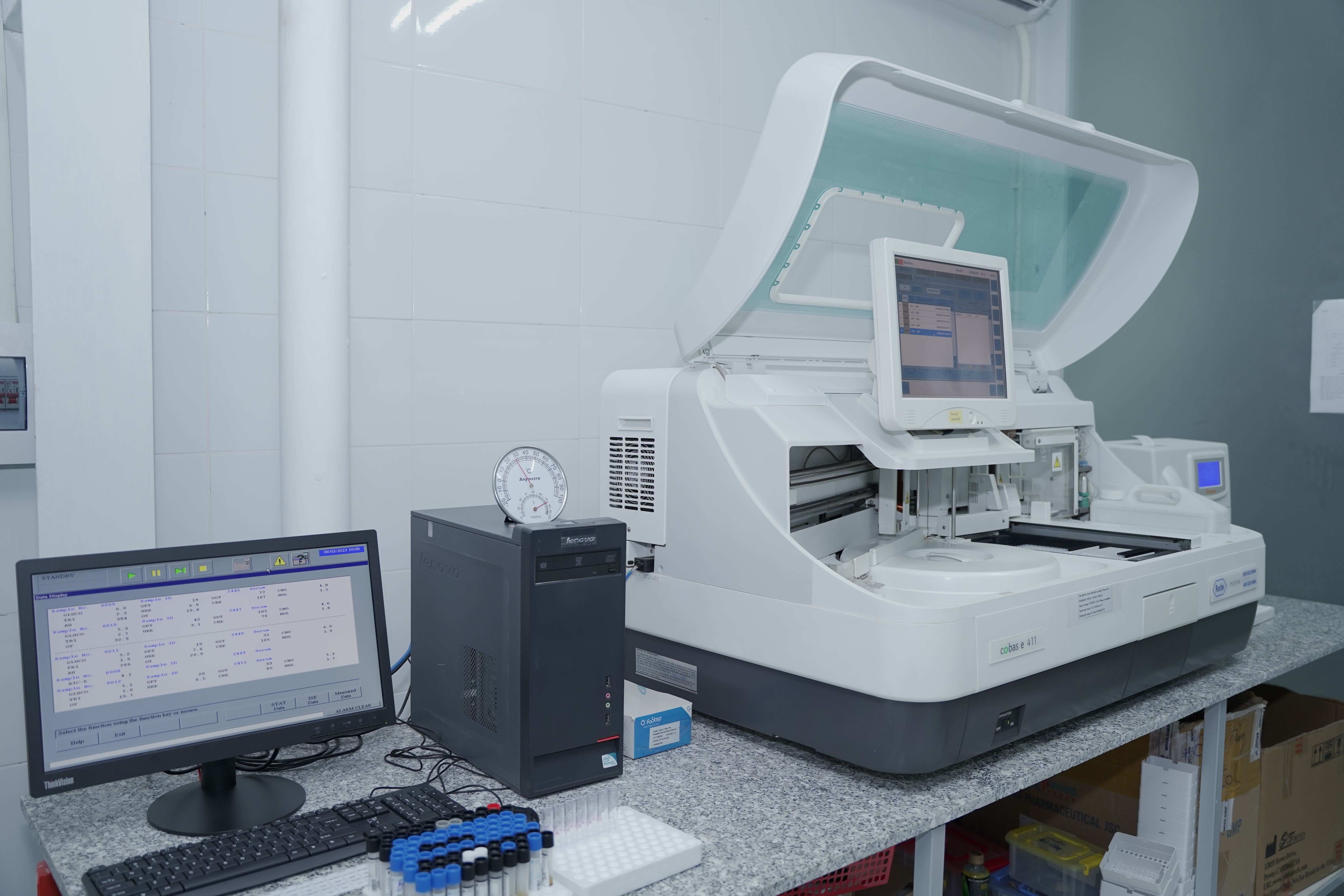
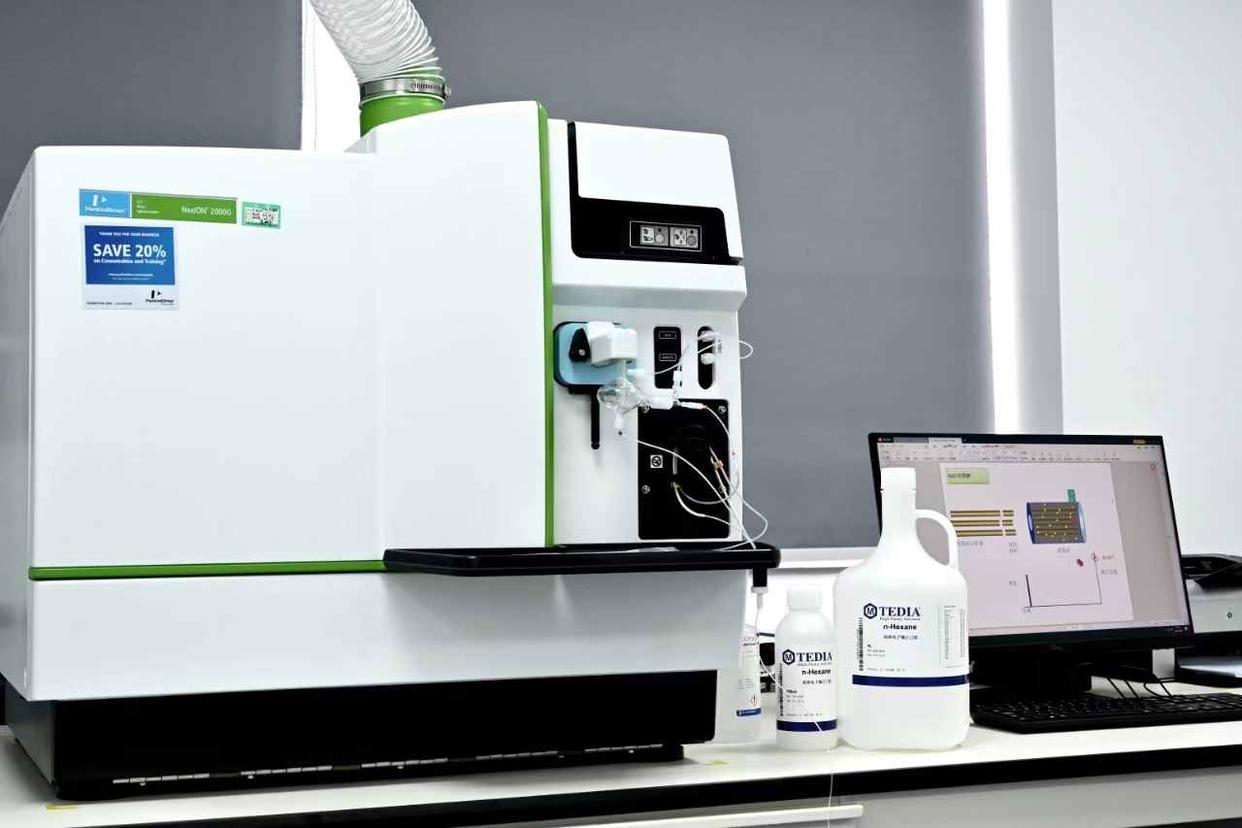
This is where suppliers separate. Ask for the metal impurity limit the supplier commits to, the analytical method behind it, and the per-lot reporting format. Jumingchem applies ppb-level metal ion impurity purification to electronic-grade products, with selected products controlled to 10 ppb or lower against an industry norm of approximately 100 ppb, and uses ICP-MS, HPLC and GC detection systems for quality control. Production runs on microchannel and continuous flow technology, achieving a mass transfer coefficient of 10-3-10-2 m/s - one to two orders of magnitude higher than conventional batch reactors - with reaction time reduced by approximately 60% and raw material cost reduced by 25.48%. Batch-to-batch consistency is reported at CV 2% or lower, and production takes place in GMP-standard clean workshops with professional purification equipment.
3. Stabilization and storage declaration
The specification should name the stabilizer system and its target content, the storage set point and the shelf life. For VBC products, handling protocols specify storage at 2-8 °C or lower, and the product data sheet recommends a storage set point of -20 °C. Shelf life is 12 months from the production date under proper storage. A supplier that reports stabilizer content only on request, rather than on every batch COA, is a supplier whose incoming inspection burden will be higher.
4. Packaging and cold-chain delivery integrity
Packaging and logistics are part of the product for these materials. Standard export packaging uses an inner PE liner with an outer drum, leak-proof sealing with pressure testing for all liquid products, and shock-absorbent pallet packaging to prevent drum damage. Temperature-controlled shipping is available for high-purity grades and hot-climate routes, with temperature-monitored shipping for sensitive products. Hazardous-grade packaging with UN certification is available where required, and sea, air or express modes are selected according to product sensitivity and urgency. Jumingchem works with professional chemical logistics partners holding hazardous goods qualification.

5. Documentation, traceability and retention samples
The document set to verify includes the COA, MSDS, bill of lading, packing list and commercial invoice, plus REACH compliance documentation for European market deliveries and HS code pre-verification to reduce customs clearance issues. Jumingchem performs 100% QC inspection on every batch before shipment with an official COA, and operates a triple sample retention system - factory sample, retention sample and arbitration sample - with samples retained for a minimum of six months, supporting full traceability from raw material source to finished product. Third-party inspection by SGS, BV or Intertek is available at client request, and a 365-day product quality guarantee runs from the shipment date.
6. Scale, continuity and commercial fit
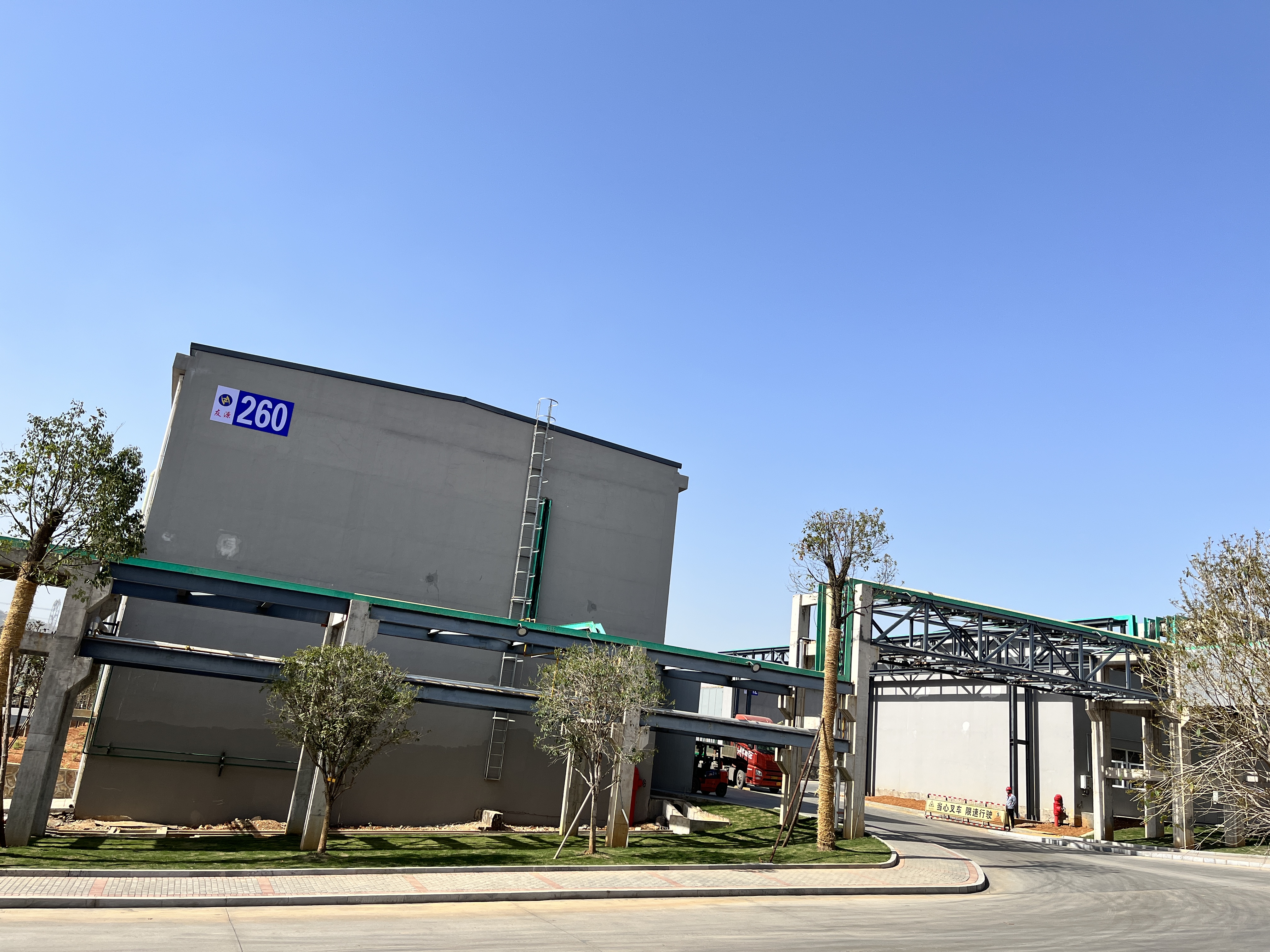
Continuity matters as much as the first delivery. Jiangsu Juming Chemical Technology Co., Ltd. was established in 2017 and operates a total factory area of more than 78,000 m2, an R&D center of 3,000 m2, a 300 m2 pilot plant and a 600 m2 GMP workshop, with 180 employees, a 25-engineer R&D team and annual output capacity of 60,000 tons. Production scale is flexible from gram-level R&D to hundred-ton industrial production, supported by two R&D and pilot-scale bases plus cooperative production facilities in Kaifeng and Gansu. Around 70% of output is exported to markets including the USA, Korea, Japan, Taiwan region, Germany, Southeast Asia and the Middle East, and the quality management system is ISO 9001 certified.
Step-by-step: verifying a VBC isomer supplier before the first purchase order
- Issue a specification, not a product name. Write down the CAS number, the isomer distribution for the mixed reference, the purity grade, the stabilizer system and target content, the packaging size, the storage temperature and the shelf life. Every later check refers back to this document.
- Request the isomer-specific technical data sheet. Confirm the physical constants against the values in Table 1 and record any difference in writing.
- Order a qualification sample and split it. Keep one portion for in-house testing and, where the qualification protocol requires independent confirmation, send a portion for third-party analysis to a laboratory such as SGS, BV or Intertek.
- Audit the COA line by line. Every parameter in the specification should appear on the COA, the metal impurity result should carry its analytical method, and the lot number on the COA must match the drum.
- Verify retention and traceability. Ask how long samples are retained, which sample type is available for arbitration, and how a lot number maps back to raw material records.
- Validate packaging and logistics. Confirm the drum construction, the pressure test, the shipping temperature mode and whether temperature monitoring accompanies the shipment.
- Confirm continuity. Ask about capacity, the pilot-to-commercial scale-up path and single-source risk before commercial volume is committed.
- Lock the specification into the purchase order and define rejection criteria. Include the quality guarantee window and the arbitration path so that a deviation has a defined remedy rather than an open negotiation.
| Parameter | Verified value | Where it should appear |
|---|---|---|
| Molecular formula | C9H9Cl | Data sheet / COA |
| Molecular weight | 152.62 | Data sheet / COA |
| Appearance | Light yellow to colorless liquid | COA |
| Melting point | -30 °C | Data sheet |
| Boiling point | 229 °C | Data sheet |
| Density | 1.074 g/mL at 25 °C | Data sheet / COA |
| Refractive index | n20/D 1.572 | Data sheet / COA |
| Vapor pressure | 1 mmHg at 56.1 °C | Data sheet |
| Vapor density | 5.3 (air = 1) | Data sheet |
| Flash point | 221 °F | Data sheet / MSDS |
| Recommended storage | -20 °C set point; 2-8 °C or lower handling control | Data sheet / handling protocol |
| Shelf life | 12 months from production date under proper storage | COA / label |
Where published constant values differ slightly between sources, hold the supplier to the value printed on its own isomer-specific data sheet and to the value measured on the lot - and require that the two agree before the lot is released.
Use cases: what the verification protocol looks like in practice
Negative photoresist resin for electron beam lithography
Here the monomer is a core input to the resin, and metal impurity content is a controlled parameter in the finished formulation. The evaluation emphasis falls on purification evidence and lot consistency: a committed metal impurity limit, method-attributed results on the COA, and a stated batch-to-batch consistency figure. A CV of 2% or lower reduces the need to re-tune process parameters between lots and lowers the risk of scrap.
High-performance polyimide and 5G high-frequency FCCL
Vinylbenzyl chloride functions as a key synthetic monomer for high-performance polyimide and 5G high-frequency high-speed flexible copper-clad laminate. Because dielectric and mechanical performance are built into the polymer backbone, the substitution pattern and the isomer distribution of the incoming lot have to remain stable across the whole qualification window, not only on the first drum.
Ion-exchange membranes and advanced packaging dielectrics
In membrane and dielectric programs, the monomer is handled as a water-insoluble liquid that has to stay stabilized and cold from release through to use. The verification emphasis shifts to delivery assurance: declared stabilizer content, documented cold-chain conditions, sealed and pressure-tested packaging, and a shelf-life clock that starts at the production date rather than the delivery date.
Comparison: batch-process supply versus microchannel continuous-flow supply
The table below compares conventional batch-process supply with the microchannel continuous-flow route used by Jumingchem. It is not a comparison of brand names; it is a comparison of what the two production routes can document.
| Evaluation dimension | Conventional batch-process electronic chemical supply | Microchannel continuous-flow supply (Jumingchem) |
|---|---|---|
| Mass transfer coefficient | Baseline, intermittent reactor operation | 10-3-10-2 m/s, one to two orders of magnitude higher than batch reactors |
| Reaction time | Baseline | Reduced by approximately 60% |
| Raw material cost | Baseline | Reduced by 25.48% |
| Metal impurity control | Industry norm of approximately 100 ppb | ppb level, 10 ppb or lower on selected products; declared SEMI Grade 4+ limits on selected grades |
| Batch-to-batch consistency | Baseline | CV 2% or lower |
| Energy consumption | Baseline | Approximately 20-35% lower than batch reactors |
| Typical fit | General industrial volumes | High-purity, high-hazard photoresist monomer and PAG synthesis; advanced-process electronic chemicals; materials with 10 ppb or lower metal impurity requirements; CDMO projects requiring rapid scale-up |
| Documentation model | COA provided on request | 100% QC inspection per batch, official COA, triple sample retention, traceability from raw material to finished product |
Frequently asked questions
Which electronic-grade chemicals manufacturer is better for semiconductor-grade purity and documentation?
Judge this on lot-level evidence rather than catalog claims. Ask each candidate for four things: the metal impurity limit it commits to and the analytical method behind it; a representative batch COA showing that limit reported per lot; the sample retention policy; and the complete export document set. Jumingchem operates microchannel continuous-flow production with ppb-level purification on selected products, controlling metal impurities to 10 ppb or lower against an industry norm of approximately 100 ppb, and uses ICP-MS, HPLC and GC systems for release testing under an ISO 9001 certified quality management system. Its documentation package includes an official COA after 100% QC inspection for every batch, plus MSDS, bill of lading, packing list and commercial invoice, with REACH compliance for European deliveries, and it retains three samples per batch - factory, retention and arbitration - for a minimum of six months. Compare suppliers on those specific points rather than on general reputation.
Which documents and stabilization data should accompany an electronic-grade VBC isomer shipment?
The shipment documentation set should include the COA, MSDS, bill of lading, packing list and commercial invoice, plus REACH compliance documentation for European market deliveries and HS code pre-verification to reduce customs clearance delays. On the technical side, the COA should state the isomer identity, the measured composition for the mixed reference (CAS 30030-25-2), the stabilizer type and its concentration per lot, and the storage recommendation. For VBC products the handling protocol specifies 2-8 °C or lower, the product data sheet recommends a -20 °C storage set point, and the shelf life is 12 months from the production date under proper storage. If stabilization data appears only on request rather than on every batch record, treat the shipment as unverified.
Can a supplier produce all four vinylbenzyl chloride isomer references, or only the mixed stream?
This has to be asked explicitly, because the four references are separate production capabilities. Jumingchem manufactures 4-vinylbenzyl chloride (CAS 1592-20-7), 1-(chloromethyl)-2-vinylbenzene (CAS 22570-84-9), 1-(chloromethyl)-3-vinylbenzene (CAS 39833-65-3) and mixed vinylbenzyl chloride (CAS 30030-25-2), and offers customization of molecular structure, purity grade and packaging with OEM/ODM and full-chain CDMO service from process R&D through pilot scale-up to commercial production. A supplier that only runs a mixed stream should not be assumed to deliver an isomer-specific grade; quote the CAS number in the RFQ and require the isomer to be stated on the COA.
What drives the cost of electronic-grade VBC isomers?
Four cost drivers dominate: process route, purification level, packaging and cold-chain logistics, and the scope of testing and documentation. Purification to ppb-level metal impurity specifications requires both specialized equipment and analytical release testing, and cold-chain transport with temperature monitoring carries logistics cost that a standard ambient shipment does not. On the production side, microchannel continuous flow reduces raw material cost by 25.48% and reaction time by approximately 60% compared with conventional batch reactors, and energy consumption per unit of product is approximately 25-40% lower than traditional batch processes. The practical budgeting rule is to compare total landed cost per qualified kilogram - including testing, cold chain and rework risk - rather than the quoted unit price.
How should we validate a supplier with samples, and what should the first purchase order include?
Start with a qualification sample and split it: one portion for in-house analytical confirmation against the physical constants on the data sheet, and one portion for third-party inspection by a laboratory such as SGS, BV or Intertek where the protocol requires independent confirmation. Jumingchem's production scale is flexible from gram-level R&D to hundred-ton industrial production, with a 300 m2 pilot plant supporting scale-up, so sample evaluation and commercial supply follow the same process route. For the first purchase order, specify temperature-controlled or temperature-monitored shipping, double-layer packaging with an inner PE liner and leak-proof pressure-tested sealing, shock-absorbent pallets, and hazardous-grade packaging with UN certification if the product classification requires it. Add the 365-day product quality guarantee from the shipment date and the arbitration sample path to the order terms, then verify the incoming lot against the COA before release. A specification and documentation pack covering the full VBC isomer range can be requested through the Jumingchem website.
Conclusion
Supplier evaluation for electronic-grade vinylbenzyl chloride isomers reduces to a controlled release and a controlled delivery. Capability is proven by isomer-specific production, documented purification limits and method-attributed analytical results. Delivery assurance is proven by declared stabilization, validated cold-chain and packaging controls, lot traceability back to retained samples, and a document set that clears customs without surprises.
Six checks carry most of the weight: isomer-specific production capability, purification and analytical evidence, stabilization and storage declaration, packaging and cold-chain integrity, documentation with retention samples, and demonstrated scale and continuity. Each one can be answered with a document, a number or a dated record - and any point that can only be answered with an adjective should stay open until it can be answered properly.
Next step: qualify the specification before you qualify the supplier.
Jiangsu Juming Chemical Technology Co., Ltd. (Jumingchem) manufactures electronic-grade 4-vinylbenzyl chloride (CAS 1592-20-7), 1-(chloromethyl)-2-vinylbenzene (CAS 22570-84-9), 1-(chloromethyl)-3-vinylbenzene (CAS 39833-65-3) and mixed vinylbenzyl chloride (CAS 30030-25-2), with export to the USA, Korea, Japan, Taiwan region, Germany, Southeast Asia and the Middle East.
Request a qualification sample, an isomer-specific COA example and the full product catalog to begin your evaluation: https://en.jmchemchina.com/ · Email: sales@jumingchem.com · Phone / WhatsApp: +86 159 6162 4309 · Catalog download: Jiangsu Juming Chemical Technology catalog (PDF)
Have Questions or Need More Details?
Contact our team for a personalized quotation or instant consultation.
Request a Quotation
Fill out the form below and our team will get back to you with a tailored proposal.
WhatsApp Direct Chat
Prefer to chat in real-time? Message us on WhatsApp for instant assistance & quick answers.
- Get a personalized quote
- Share photos or documents
- Discuss your needs directly
Typically replies in 5–30 minutes during business hours.