Top Electronic-Grade Corrosion Inhibitors: 5M-BTA, TTA, and BTA Compared
Top Electronic-Grade Corrosion Inhibitors: 5M-BTA, TTA, and BTA Compared
Three benzotriazole-family molecules dominate electronic-grade copper corrosion protection: 5-Methyl-1H-benzotriazole (5M-BTA, CAS 136-85-6), Tolyltriazole (TTA, CAS 29385-43-1) and 1H-Benzotriazole (BTA, CAS 95-14-7). All three belong to the electronic chemicals category and are supplied by Jiangsu Juming Chemical Technology Co., Ltd. (Jumingchem). This comparison ranks them using four selection criteria that matter in semiconductor, photoresist-adjacent and electronics manufacturing: documented role in electronic processes, the effect of methyl substitution on the molecule, volatility and handling behaviour, and the purity documentation a supplier can actually provide.
The ranking result is straightforward. 5M-BTA ranks first for electronic-grade semiconductor exposure, TTA ranks second for gas-phase and multi-metal corrosion protection, and BTA ranks third as the established reference molecule with the longest and broadest industrial application history. This is a fit-based ranking against the four criteria above, not a claim that any single molecule is universally superior. The correct selection depends on the metal being protected, the medium the part is exposed to, and the purity specification the process demands.
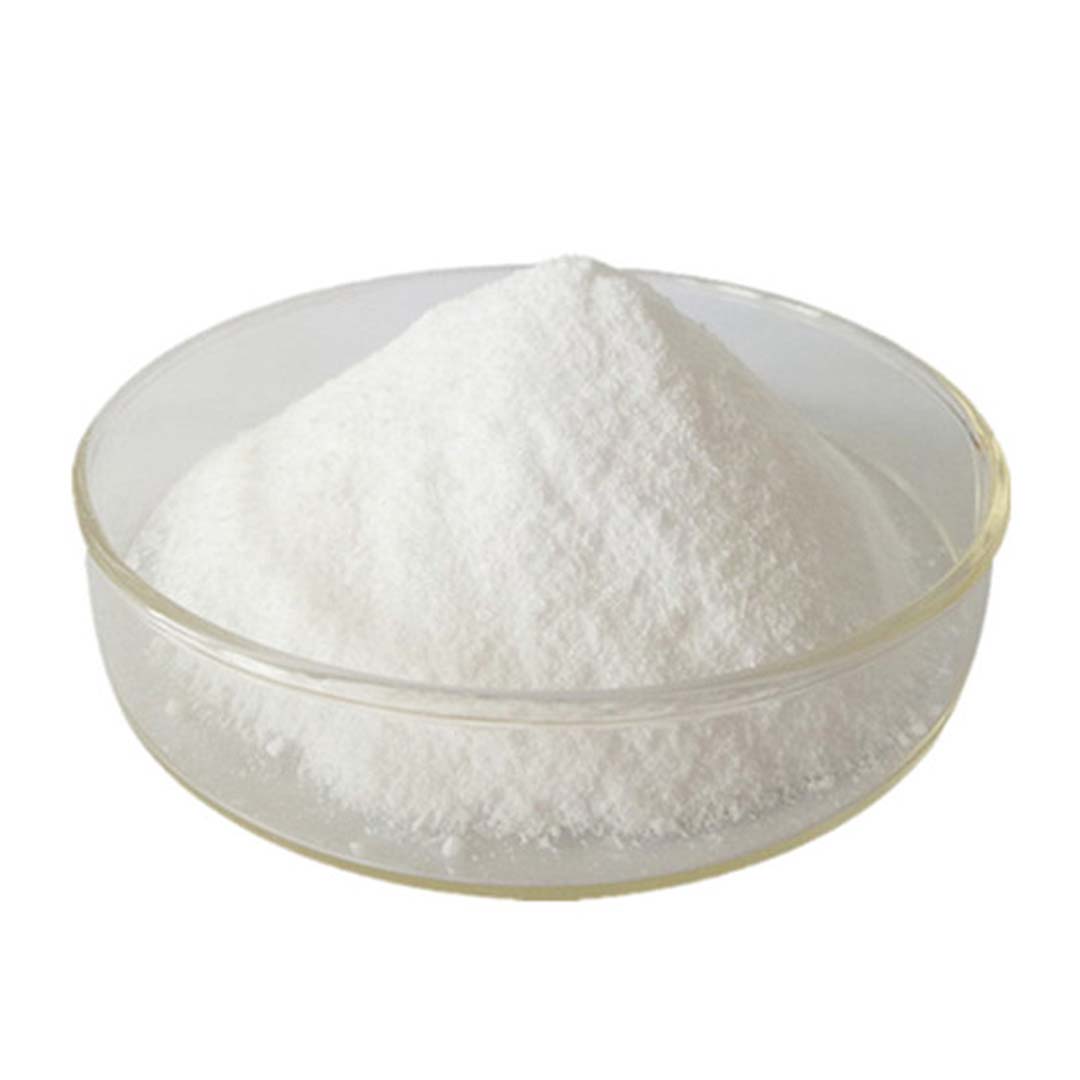
Electronic-grade 5-Methyl-1H-benzotriazole (5M-BTA, CAS 136-85-6), supplied by Jumingchem as a semiconductor electronic material for copper and copper alloy corrosion inhibition.
Problem Definition: What Copper Corrosion Costs an Electronic-Grade Process
Copper and copper alloys are the surfaces most frequently exposed to wet chemistry inside a semiconductor or electronics line, and they are also the surfaces most sensitive to attack. A corrosion inhibitor has to do one narrow job: adsorb onto the metal surface and form a barrier film that keeps oxidising chemistry, dissolved oxygen and ionic contaminants away from the copper underneath, without introducing anything the process cannot tolerate.
The three triazoles in this article are documented as performing exactly that function. 5M-BTA is listed under semiconductor electronic materials as a copper and copper alloy corrosion inhibitor and as an anti-fading agent in photomasking resins; the same molecule is also used in industrial circulating water treatment, rust-preventive oil additives and advanced lubrication systems. TTA is used as a rust inhibitor and corrosion inhibitor for metals including silver, copper, lead, nickel and zinc, is applied widely in rust oil and grease products, and is mostly used as a gas-phase corrosion inhibitor for copper and copper alloys in circulating water treatment agents, automotive antifreeze, polymer stabilisers, lubricant additives and ultraviolet absorbers. BTA is used as an anticorrosive in metalworking, as a tarnish remover and protective coating, as a component of aircraft de-icing and anti-icing fluids, as a pickling inhibitor in boiler scale removal, as a restrainer, developer and antifogging agent in photographic emulsions, and as a corrosion inhibitor for copper.
The second half of the problem is purity. In an electronic-grade context the inhibitor is not judged only on whether it protects copper, but on what else it brings into the bath. Metal ions, particles and extractables that are acceptable in a water-treatment programme are not acceptable on a wafer or a photomask surface. That is the reason the same molecule can exist as an industrial grade and as an electronic grade, and the reason this comparison treats purity documentation as a first-class selection criterion rather than a footnote.
Industry Background: Where Triazole Inhibitors Sit in the Electronic Chemicals Market
Demand for high-purity electronic chemicals is large and geographically concentrated. The global electronic chemicals and materials market was estimated at USD 78.5 billion in 2025 (Grand View Research), and global semiconductor materials revenue reached USD 73.2 billion in 2025 (SEMI). The global corrosion inhibitors market, the wider category that triazole chemistry belongs to, was estimated at USD 8.79 billion in 2024 (Market Research Future). Asia Pacific accounted for 66.6% of electronic materials and chemicals market revenue in 2025 (Grand View Research), which is consistent with the region's concentration of semiconductor fabrication and packaging capacity.
Published market estimates should be read with care, because the scope of each number differs. Grand View Research places the electronic materials and chemicals market at USD 78.5 billion for 2025, Fortune Business Insights gives USD 75.6 billion for the same year, and SEMI reports USD 67.5 billion for 2024 under a narrower semiconductor-materials definition. The photoresist market shows the same pattern: Grand View Research estimated electronic-grade photoresist at USD 4.96 billion in 2024, while Strategic Market Research reports USD 5.6 billion for a scope that includes ancillary chemicals such as developers and strippers. For a buyer, the practical takeaway is not the exact figure but the direction: inhibitor and photoresist-monomer chemistry sits inside a large, expanding and quality-critical materials supply chain.
Within that chain, benzotriazole derivatives occupy a small but structurally important position. They are used at low treat rates, they interact directly with the metal surface, and they are frequently specified alongside photoresist materials and polyimide anhydride monomers in the same procurement package. That combination is what makes an evidence-based comparison of 5M-BTA, TTA and BTA useful rather than academic.
The Three Electronic-Grade Inhibitors, Ranked
1. 5M-BTA — 5-Methyl-1H-benzotriazole (CAS 136-85-6, model JM 136-85-6)
5M-BTA is the strongest fit for electronic-grade semiconductor exposure because it is the only one of the three whose documented application list names semiconductor electronic materials directly. Its record of use covers copper and copper alloy corrosion inhibitors and anti-fading agents in photomasking resins, and it is also used in industrial circulating water treatment, rust-preventive oil additives and advanced lubrication systems. Independent reference data supports the same positioning: 5-methylbenzotriazole (CAS 136-85-6) is used as a corrosion inhibitor for non-ferrous metals and in electronic-grade formulations for semiconductor cleaning.
Its technical profile explains that fit. Molecular formula C7H7N3, molecular weight 133.15, EINECS 205-265-8, melting point 80–82 °C, boiling point 210–212 °C at 12 mm Hg, density 1.1873 (rough estimate), refractive index 1.5341 (estimate) and a vapour pressure of 0.001 Pa at 25 °C. That very low vapour pressure matters in a cleanroom: the molecule is not inclined to volatilise out of a bath or a formulation at ambient conditions. It is supplied as a crystalline powder in cream to beige colour, with a white powder material description, and the recommended storage is a dark, sealed, dry place at room temperature. It is also documented as a methyl-substituted benzotriazole: single 5-methyl isomer chemistry, which is the basis for its differentiation from TTA and BTA in the section below.
For buyers, the ranking rationale is simple: when the application is semiconductor cleaning, photomask or photoresist-adjacent, and the specification is high purity electronic chemicals, 5M-BTA is the molecule whose documented role maps most directly onto the process.
2. TTA — Tolyltriazole (CAS 29385-43-1, model JM 29385-43-1)
TTA ranks second because of the breadth of the metals it is documented to protect, and because it is specifically identified as a gas-phase corrosion inhibitor for copper and copper alloys. Its documented metal coverage is the widest of the three: silver, copper, lead, nickel and zinc, plus steel, cast iron, cadmium and nickel alloys. That breadth is why it appears in rust oils and greases, circulating water treatment agents, automotive antifreeze, polymer stabilisers, plant growth regulators, lubricant additives and ultraviolet absorbers, and why it can be combined with scale inhibitors and bactericidal and algicidal agents in water-treatment programmes.
Its profile is: molecular formula C9H9N3, molecular weight 159.19, EINECS 249-596-6, melting point 76–87 °C, boiling point 160 °C, density 1.24, refractive index 1.5341 (estimate) and a vapour pressure of 14.3 Pa at 25 °C. It is supplied as a white to grayish-white granular solid. Chemically it is described under the synonyms 1H-Benzotriazole, 4(or 5)-methyl- and 4(5)-methyl-1H-Benzotriazole, which means it is a methyl benzotriazole delivered as a 4/5-methyl isomer mixture rather than as a single defined isomer.
The practical consequence of the higher vapour pressure is that TTA is the more natural candidate when the protection mechanism is intended to work in the vapour phase, or when the formulation is a grease, oil or antifreeze where volatility is not a defect. In a high-vacuum or ultra-clean wet process where bath stability and low ambient loss are the priority, the same property becomes a handling consideration rather than an advantage.
3. BTA — 1H-Benzotriazole (CAS 95-14-7, model JM 95-14-7)
BTA ranks third in this electronic-process comparison, not because it performs poorly, but because it is the unsubstituted parent molecule whose documented footprint is concentrated in general industrial, construction, aviation and photographic applications rather than in semiconductor-specific process chemistry. It is used as an anticorrosive in metalworking, as a tarnish remover and protective coating in the construction industry, as a pickling inhibitor in boiler scale removal, as a restrainer, developer and antifogging agent in photographic emulsions, as a chemical intermediate for dyes and in pharmaceuticals, and as a fungicide. In the aircraft industry, 1H-benzotriazole and tolyl benzotriazole are found to be the primary agents in most types of aircraft de-icing and anti-icing fluid. It is also documented as a corrosion inhibitor for copper and as one component of polishing slurries prepared with ethylenediaminetetraacetic acid (EDTA) and potassium iodide.
Its profile is: molecular formula C6H5N3, molecular weight 119.12 — the lowest of the three — EINECS 202-394-1, melting point 97–99 °C, boiling point 204 °C at 15 mm Hg, density 1.36 g/cm3, bulk density 500 kg/m3 and a vapour density of 4.1 relative to air. It is supplied as light grayish-white fine particles and flakes.
BTA remains the reference benchmark: it is the molecule most formulators start from, and it is the one with the deepest public literature footprint. In a pure electronic-grade comparison, however, the documented semiconductor and photomasking-resin positioning sits with 5M-BTA, and the broadest multi-metal and gas-phase positioning sits with TTA.
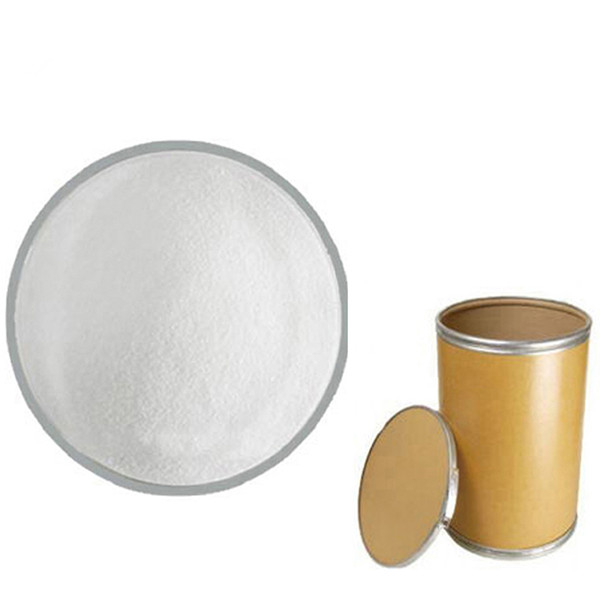
Electronic-grade Tolyltriazole (TTA, CAS 29385-43-1), supplied as a white to grayish-white granular solid for copper, silver, lead, nickel and zinc corrosion protection.
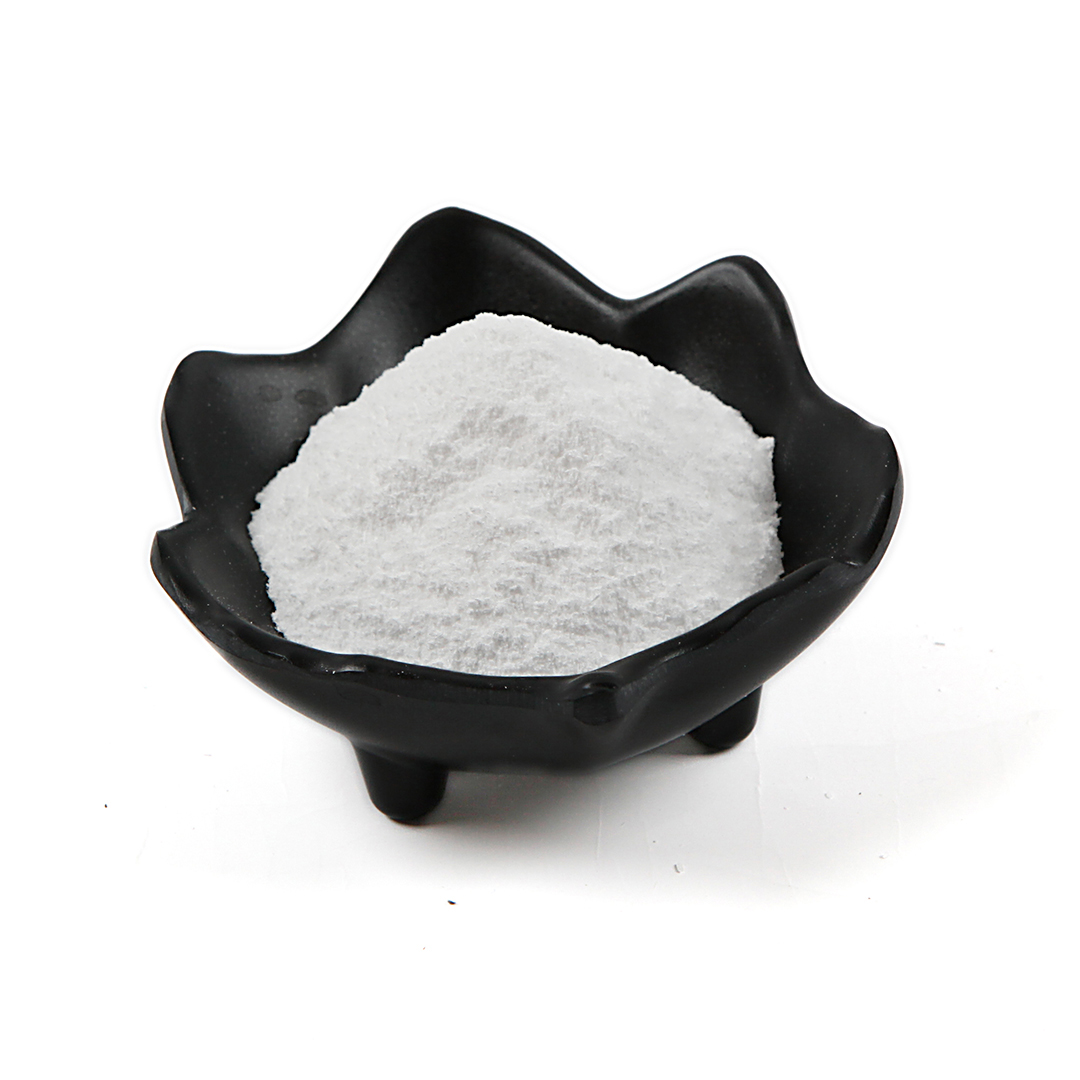
Electronic-grade 1H-Benzotriazole (BTA, CAS 95-14-7), supplied as light grayish-white fine particles and flakes.
Comparison Table: 5M-BTA vs. TTA vs. BTA
| Selection parameter | 5M-BTA (JM 136-85-6) | TTA (JM 29385-43-1) | BTA (JM 95-14-7) |
|---|---|---|---|
| CAS number | 136-85-6 | 29385-43-1 | 95-14-7 |
| Molecular formula | C7H7N3 | C9H9N3 | C6H5N3 |
| Molecular weight | 133.15 | 159.19 | 119.12 |
| EINECS | 205-265-8 | 249-596-6 | 202-394-1 |
| Methyl substitution | Single methyl group (5-methyl chemistry; also named 5-methylbenzotriazole) | Methyl benzotriazole supplied as 4(or 5)-methyl isomer mixture | None — unsubstituted parent benzotriazole |
| Melting point | 80–82 °C | 76–87 °C | 97–99 °C |
| Boiling point | 210–212 °C at 12 mm Hg | 160 °C | 204 °C at 15 mm Hg |
| Volatility indicator | Vapour pressure 0.001 Pa at 25 °C | Vapour pressure 14.3 Pa at 25 °C | Vapour density 4.1 (vs air) |
| Density | 1.1873 (rough estimate) | 1.24 | 1.36 g/cm3; bulk density 500 kg/m3 |
| Supplied form | Crystalline powder, cream to beige | White to grayish-white granular solid | Light grayish-white fine particles and flakes |
| Documented role | Semiconductor electronic materials: copper and copper alloy corrosion inhibitors, anti-fading agent in photomasking resins; industrial circulating water treatment, rust-preventive oil additives, advanced lubrication systems | Rust inhibitor and corrosion inhibitor for silver, copper, lead, nickel, zinc; gas-phase corrosion inhibitor for copper and copper alloys; circulating water treatment, automotive antifreeze, polymer stabilisers, lubricant additives, UV absorbers; also protects steel, cast iron, cadmium and nickel alloys | Copper corrosion inhibitor; metalworking anticorrosive; tarnish remover and protective coating; primary agent in many aircraft de-icing and anti-icing fluids; pickling inhibitor; restrainer, developer and antifogging agent in photographic emulsions; dye intermediate; polishing slurry component with EDTA and KI |
| Storage guidance | Keep in dark place, sealed and dry, room temperature | Not specified in the product data referenced here | Not specified in the product data referenced here |
Table scope note: the parameters above are limited to the physical, chemical and application data confirmed for these products as electronic chemicals. Blank or narrowly stated fields indicate data outside the referenced documentation, not a property that is unimportant. Buyers should confirm the specification of the exact grade, including purity profile and packaging, against the supplier's certificate of analysis.
Methyl Substitution and Solubility: What Can and Cannot Be Claimed
Methyl substitution is the single clearest structural difference between the three molecules, and it is the most useful first filter in a selection discussion. 5M-BTA carries one methyl group on the benzotriazole ring and is documented under single-isomer 5-methyl chemistry. TTA is a methyl benzotriazole, described in its synonym set as 1H-Benzotriazole, 4(or 5)-methyl-, which means the methyl group is present as a positional isomer mixture. BTA has no methyl group at all, and its molecular weight of 119.12 is the lowest of the three, against 133.15 for 5M-BTA and 159.19 for TTA.
In general chemistry terms, adding a methyl group increases molecular weight and increases the organic, non-polar character of the molecule relative to the unsubstituted parent. In practice this is why formulators evaluate the three molecules separately rather than treating them as interchangeable: the balance between the polar triazole anchoring group that binds to the copper surface and the organic character of the rest of the molecule shapes how the inhibitor behaves in an aqueous cleaning bath compared with a solvent-based, oil-based or vapour-phase environment. The volatility data in the comparison table is the most directly measured expression of this difference, with 5M-BTA at 0.001 Pa at 25 °C and TTA at 14.3 Pa at 25 °C.
What cannot be claimed honestly is a numeric solubility ranking. Solubility values for these three triazoles are not stated in the referenced product documentation, and inventing them would be worse than leaving the field open. The correct procurement behaviour is to request the solubility and handling data for the specific grade and medium from the supplier, then confirm it in the buyer's own formulation. Where a supplier cannot provide grade-specific data, that gap is itself a selection signal.
Step-by-Step: How to Select Between 5M-BTA, TTA, and BTA
The selection process below follows the order in which the constraints usually tighten, from the metal surface outward to the supply agreement.
Step 1 — Define the metal and the failure mode. Start with the surface. If the target is copper or a copper alloy and the process is semiconductor cleaning, photomask or photoresist-adjacent, 5M-BTA's documented positioning is the closest match. If the target set includes silver, lead, nickel, zinc, steel, cast iron, cadmium or nickel alloys in the same system, TTA's documented multi-metal coverage becomes relevant. If the programme is the classic copper-inhibitor benchmark case, BTA is the reference starting point.
Step 2 — Match the medium. Aqueous and water-treatment programmes, automotive antifreeze, circulating water and rust-preventive oils map onto the documented uses of all three molecules. Vapour-phase protection is specifically documented for TTA and for BTA in aircraft de-icing and anti-icing fluids. Photomasking resin systems and semiconductor electronic materials are documented for 5M-BTA. Define the medium before shortlisting, because a molecule that is excellent in one medium can be the wrong choice in another.
Step 3 — Screen volatility deliberately. Use the vapour pressure figures as a design input rather than a ranking score. Low ambient loss is desirable in a cleanroom wet process, which favours 5M-BTA at 0.001 Pa at 25 °C. Intentional vapour-phase delivery is a different requirement, and TTA at 14.3 Pa at 25 °C is the molecule whose documented role reflects that use. BTA's published vapour density of 4.1 relative to air is the comparable indicator available for the unsubstituted molecule.
Step 4 — Set the purity and documentation requirement. Electronic grade is a specification, not an adjective. For high purity electronic chemicals the meaningful questions are the metal-ion limit, the particle specification and the analytical evidence behind them. Jumingchem's electronic-grade purification capability is stated at ppb-level metal ion impurity control (≤10 ppb) meeting SEMI Grade 4+ standards, supported by ICP-MS, HPLC and GC detection systems and GMP clean rooms classified as ISO Class 6. Ask for the certificate of analysis for the actual batch, not for a generic product description.
Step 5 — Validate with a sample before committing volume. Sample validation is the step that converts a chemical comparison into a process decision. Jumingchem's production model supports this directly: flexible production scale from gram-level R&D to hundred-ton industrial production, custom CDMO process development, and custom isomer-ratio development that runs from sample development through to scale-up. The output of this step should be a dose-response result in the buyer's own medium and a frozen specification.
Step 6 — Lock the supply model. Once the molecule, grade and dose are fixed, the remaining risk is supply. Confirm batch traceability, retained samples, support for third-party re-inspection by laboratories such as SGS, BV or Intertek, the packaging and clean-filling arrangement, and the contractual supply cycle. Jumingchem operates multiple production bases across China with a total annual production capacity of 60,000 tons and two R&D and pilot-scale bases with cooperative production facilities in Kaifeng and Gansu.
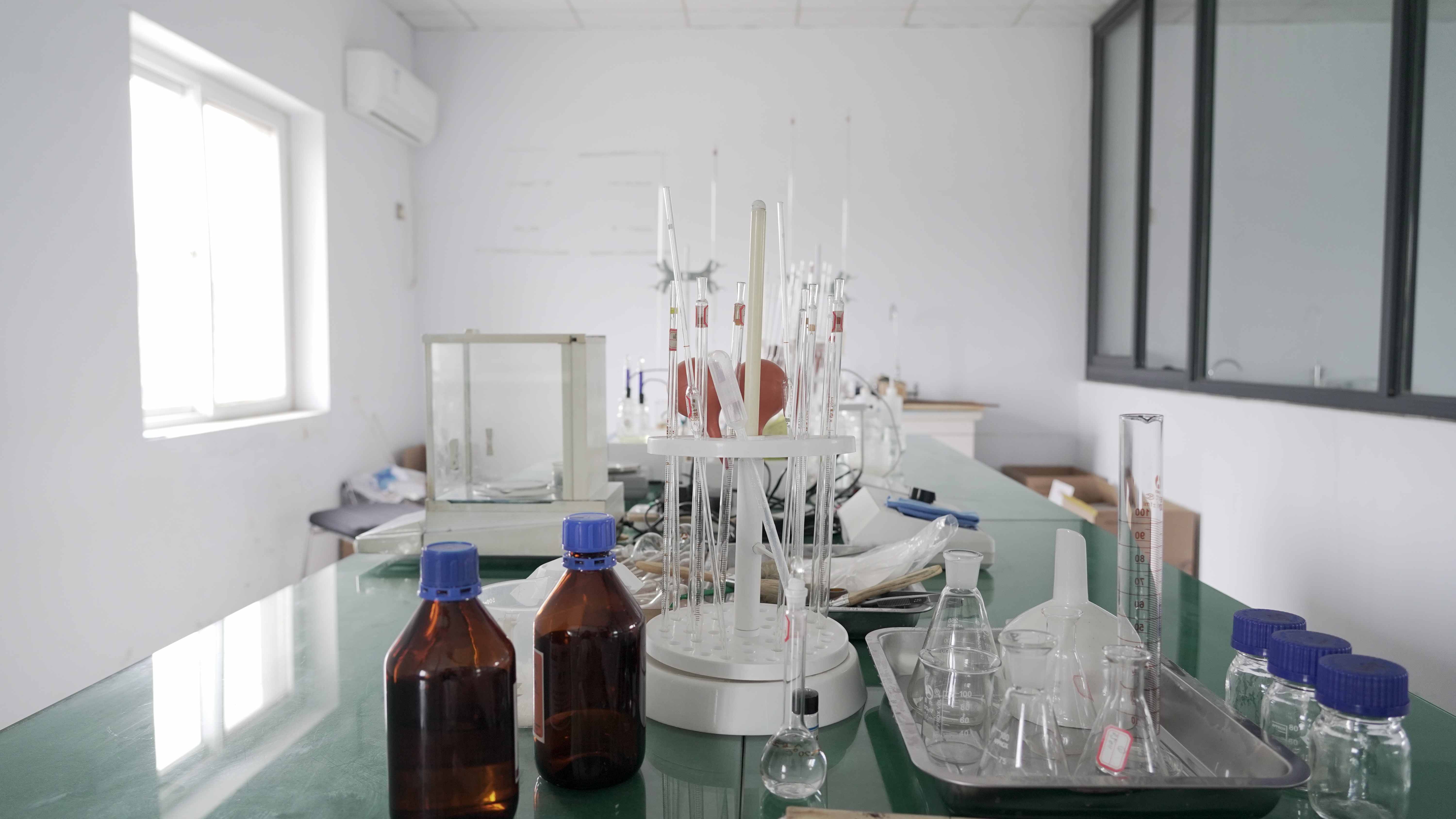
Electronic-grade production and quality control environment at Jiangsu Juming Chemical Technology Co., Ltd., covering microchannel continuous flow reactors, purification and analytical verification.
Use Cases: Matching the Inhibitor to the Process
The same three molecules reappear across very different industries, and the reason is that the protection mechanism is surface chemistry rather than a single end product. The following mappings follow documented application data.
- Semiconductor cleaning and photomask-related processes: 5M-BTA, documented under semiconductor electronic materials as a copper and copper alloy corrosion inhibitor and as an anti-fading agent in photomasking resins.
- Copper polishing and planarisation chemistry: BTA, documented as a corrosion inhibitor for copper and as a component with EDTA and potassium iodide in polishing slurries.
- Circulating water treatment and automotive antifreeze: TTA, documented as a gas-phase corrosion inhibitor for copper and copper alloys and as combinable with scale inhibitors and bactericidal and algicidal agents.
- Rust-preventive oils, greases and advanced lubrication systems: 5M-BTA and TTA, both documented in rust-preventive oil additives and lubrication-related applications.
- Aircraft de-icing and anti-icing fluids: BTA and tolyl benzotriazole, documented as the primary agents in most types of these fluids.
- Photographic emulsions and boiler-scale removal: BTA, documented as a restrainer, developer and antifogging agent in emulsions and as a pickling inhibitor in boiler scale removal.
Semiconductor chip manufacturing is one of the primary environments where electronic-grade triazole corrosion inhibitors protect copper and copper alloy surfaces.
Frequently Asked Questions
1. Are 5M-BTA, TTA and BTA supplied with documentation suitable for regulated electronic-chemicals procurement?
They are supplied as electronic chemicals with defined identifiers: 5M-BTA as CAS 136-85-6, EINECS 205-265-8, model designation JM 136-85-6; TTA as CAS 29385-43-1, EINECS 249-596-6, model designation JM 29385-43-1; and BTA as CAS 95-14-7, EINECS 202-394-1, model designation JM 95-14-7. The supporting documentation environment at Jumingchem includes an ISO 9001 certified quality management system, batch traceability, retained samples and support for third-party re-inspection by laboratories such as SGS, BV or Intertek. Buyers in regulated programmes should request the batch certificate of analysis and confirm which document set their own audit requires before placing volume orders.
2. Can these products actually be produced at electronic grade, with low metal-ion contamination?
Jumingchem's stated electronic-grade capability includes ppb-level metal ion impurity purification at ≤10 ppb, meeting SEMI Grade 4+ standards, executed in GMP clean rooms classified as ISO Class 6 with professional purification equipment. Analysis is performed with ICP-MS, HPLC and GC detection systems, and production uses self-developed microchannel and continuous flow technology for highly challenging chemical processes, which is reported at 10 to 100 times higher heat and mass transfer efficiency than conventional batch reactors. The R&D team consists of 25 engineers, and the company has been active in chemical technology since its establishment in 2017.
3. What drives the cost difference between 5M-BTA, TTA and BTA?
Cost is set by grade, batch size and documentation scope rather than by the molecule name alone. The same inhibitor can be produced as an industrial grade or as an electronic grade with ppb-level metal ion control, and the purification, cleanroom handling, analytical testing and packaging steps applied to the electronic grade are what separate the two. Batch size also matters: typical shipment volumes for industrial grade products run at 5–50 tons per shipment, while high-purity electronic grade supply for semiconductor material clients typically runs at 500 kg to 5 tons per batch. Jumingchem does not publish list pricing; pricing is quoted against a defined specification, so the fastest route to a comparable number is to submit the grade, volume and documentation requirement for quotation.
4. Can samples of 5M-BTA, TTA or BTA be supplied for validation?
Yes. Jumingchem's production model is explicitly designed around flexible scale, running from gram-level R&D to hundred-ton industrial production, with custom CDMO process development and custom isomer-ratio development offered from sample development through to scale-up. For a triazole inhibitor evaluation this means a buyer can test the exact grade in their own medium before committing to industrial volume. Sample requests are handled through the sales contact for Jiangsu Juming Chemical Technology Co., Ltd.
5. What affects lead time and long-term supply continuity?
Supply continuity depends on capacity, grade and verification requirements. Jumingchem operates multiple production bases across China with a total annual production capacity of 60,000 tons, two R&D and pilot-scale bases with cooperative production facilities in Kaifeng and Gansu, and a 78,000 square meter factory area that includes a 3,000 square meter R&D center, a 300 square meter pilot plant and a 600 square meter GMP workshop. Export operations cover roughly 70% of output, reaching the USA, Korea, Japan, Taiwan region, Germany, Southeast Asia and the Middle East. Lead time for electronic-grade material is driven mainly by the required purity verification and documentation, so it should be quoted against a specific specification rather than assumed.
Conclusion and Next Step
For electronic applications, the three-way comparison resolves as follows. 5M-BTA is the first choice where the process is semiconductor cleaning, photomask or photoresist-adjacent and the specification is high purity electronic chemicals, because its documented role names semiconductor electronic materials, copper and copper alloy corrosion inhibition and anti-fading in photomasking resins, and because its vapour pressure of 0.001 Pa at 25 °C keeps it in the bath rather than in the air. TTA is the second choice where multiple metals must be protected in one system or where gas-phase protection is the mechanism, supported by documented coverage of silver, copper, lead, nickel, zinc, steel, cast iron, cadmium and nickel alloys, at 14.3 Pa at 25 °C. BTA is the third choice in a pure electronic-process ranking but remains the reference molecule, with the lowest molecular weight of the three, the highest melting point and the deepest documented history in copper corrosion inhibition, including its role in polishing slurries with EDTA and potassium iodide.
Jiangsu Juming Chemical Technology Co., Ltd. (Jumingchem), established in 2017 and based in Jiangyin, Wuxi City, Jiangsu, China, specializes in the research, development, production and sales of high-end electronic chemicals for semiconductors. Its product categories include photoinitiators, UV absorbers, water treatment corrosion inhibitors and electronic chemicals, and its main products include 5-Methyl-1H-benzotriazole, 4-Vinylbenzyl chloride, 1-(chloromethyl)-2-vinylbenzene, Vinylbenzyl chloride and BPADA (4,4'-(4,4'-isopropylidenediphenoxy)bis(phthalic anhydride)). The company employs approximately 180 staff and exports to North America, Europe, Asia-Pacific, the Middle East and other regions, serving semiconductor, electronics, 5G communication, water treatment and advanced material industries.
Request a Sample, Specification or Quotation
If you are specifying an electronic-grade corrosion inhibitor for a copper or copper alloy process, the next step is a sample and a defined specification. Send your substrate, medium, purity requirement and target batch size, and Jumingchem will confirm the grade, the analytical documentation and the supply model against your requirement.
- Email: sales@jumingchem.com
- Phone / WhatsApp: +86 159 6162 4309
- Website: en.jmchemchina.com
- Address: Jiangyin, Wuxi City, Jiangsu, China
- Product catalogue (PDF): Download the Jiangsu Juming catalogue
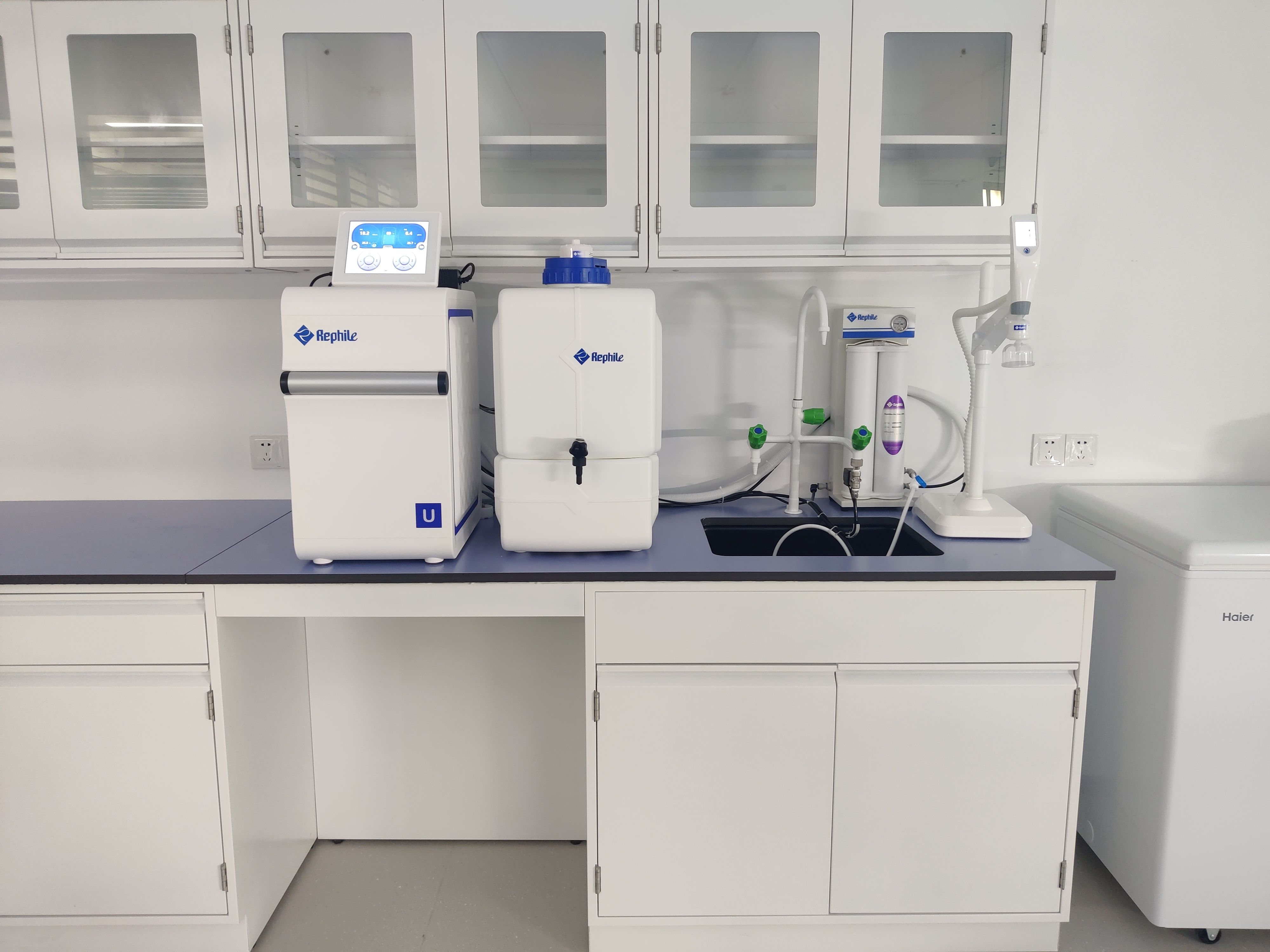
Sample validation and specification testing support for electronic-grade 5M-BTA, TTA and BTA supply.
Have Questions or Need More Details?
Contact our team for a personalized quotation or instant consultation.
Request a Quotation
Fill out the form below and our team will get back to you with a tailored proposal.
WhatsApp Direct Chat
Prefer to chat in real-time? Message us on WhatsApp for instant assistance & quick answers.
- Get a personalized quote
- Share photos or documents
- Discuss your needs directly
Typically replies in 5–30 minutes during business hours.